
Direct flights from London to Kochi exist now. Around 10 hours of travel depending on routing. This changed everything for UK travelers. What was once a logistical nightmare—multiple connections, 20+ hours of travel, arrival completely exhausted—is now manageable. You can leave London in the evening and arrive in Kerala with most of the day still ahead of you. For British travelers planning backwater trips in 2026, this accessibility matters enormously.
The logistics deserve attention though. British Airways and Air India run direct routes from London. Cheaper options involve one-stop connections through Gulf hubs or Middle Eastern airports, adding 2-5 hours but saving significantly on cost. Book flights 2-3 months ahead for decent rates. Peak season pricing (December-March) is highest. Flying shoulder season (October-November, April) offers better value without sacrificing experience.
The visa requirement is straightforward. UK passport holders need an Indian visa, obtained through the online e-visa system. The process takes 3-5 days typically and costs roughly £10-15. It’s simple enough that most travelers handle it themselves online without needing agencies. Do this before booking anything else just to confirm you’ll get approval.
Timing Your Trip: Peak Season vs Everything Else
December through March is peak season. Clear skies. Pleasant temperatures. No rain. Every UK traveler wants this window, which is precisely why it’s expensive and crowded. Hotels are fully booked. Flights cost premium rates. The backwaters see dozens of houseboats on popular routes. It works beautifully if you have those months available, but understand what you’re getting: predictable weather, crowded canals, premium pricing.
October-November works exceptionally well and fewer people realize this. Weather is still pleasant—the tail end of dry season. Crowds thin significantly. Prices drop notably. It’s genuinely the sweet spot many travelers miss. April-May is hot. Too hot for some, but the prices become reasonable and you’re essentially alone on the backwaters. Summer (June-August) is monsoon season. Rainy, humid, beautiful in different ways, and dramatically cheaper. Each season serves different priorities.
UK families face specific timing constraints around school holidays. Half-term breaks in February and May offer flexibility. February overlaps with peak season (expensive but weather perfect). May is shoulder season (manageable weather, much cheaper). Easter holidays span late March into April, which is hot but affordable. Summer holidays in July-August mean monsoon season. If school timing forces summer travel, understand you’re visiting during rainy season with lowest prices of the year. Christmas holidays align with peak season—fully booked, expensive, but undeniably pleasant weather if that matters to you.
The Cost Reality from the UK
A typical ten-day Kerala trip for two people breaks down roughly like this: flights £400-800 depending on season and booking timing; a luxury houseboat night costs approximately £350-900 (in GBP equivalent) depending on boat size and season; Kochi hotels run £30-150 per night; food ranges £5-15 per meal outside tourist areas, £15-40 in restaurants; activities typically £10-50 each. Total for ten days usually sits somewhere between £2,500-4,500 depending on choices. This is expensive by UK standards but often cheaper than equivalent luxury holidays in Europe.
The value proposition works because houseboat luxury is genuinely luxurious—proper AC, good beds, quality meals—but sourced locally rather than flown in. A meal costing £20 in London costs £5 in Kerala. That economics applies across the board. You’re getting five-star infrastructure at three-star prices because labor and materials cost less in Kerala.
What UK Travelers Often Miss
The hinterland beyond backwaters appeals less to tourists but rewards deeply. Munnar tea plantations deserve 2-3 days exploring. Hill station experience different from backwaters. Fort Kochi’s architecture gets overlooked despite being extraordinary. Colonial buildings, spice markets, the layered history visible in streets. Beaches factor out of most backwater itineraries despite coastal beauty. Marari or Kovalam adds different dimension to Kerala experience.
Most importantly, UK travelers rush. We’re conditioned to maximize experiences, hit multiple locations, make every moment productive. Kerala rewards the opposite approach. Spending two full days in one village, watching the same canals from different angles, returning to the same café. The slow pace that initially frustrates produces the most meaningful engagement. First-time Kerala visitors often struggle with this. By day three, most adjust. By day five, most wish they’d stayed longer doing less.
Practical Packing and Preparation
Cotton clothing only. Heat makes this essential. Synthetic fabrics create misery in Kerala humidity. Sunscreen high SPF matters more than you’d think—the sun stronger than UK summer sun. Walking shoes that can get wet serve village visits better than sandals. Lightweight rain jacket (never umbrella—useless in actual monsoon). Medications from UK because prescription items might be unavailable or require navigating local doctor systems.
Internet connectivity is simpler than you’d expect. WhatsApp works on any SIM. Buy a local SIM card upon arrival—roughly £1-2 for a data package covering several days. Most houseboats have WiFi, spotty but functional. Your UK phone works on Indian network, but check roaming costs with your provider. Often cheaper to buy local SIM and let messages wait.
Health Considerations Matter
No vaccinations required specifically for Kerala, but check NHS travel clinic advice. Travel insurance is essential—medical standards are good but expensive without coverage. Tap water isn’t safe to drink—bottled water is ubiquitous and cheap. Pharmacies exist everywhere and medications are available without prescriptions (unlike UK), making healthcare access actually easier if needed.
What Makes UK Travelers Different
We expect service standards. UK travelers accustomed to structured customer service find Kerala delivers it, just in different style. WiFi quality concerns come up constantly (valid because it’s inconsistent). Water quality anxieties are real but manageable. Vegetarian, pescatarian, and vegan dietary needs can be accommodated—mention beforehand.
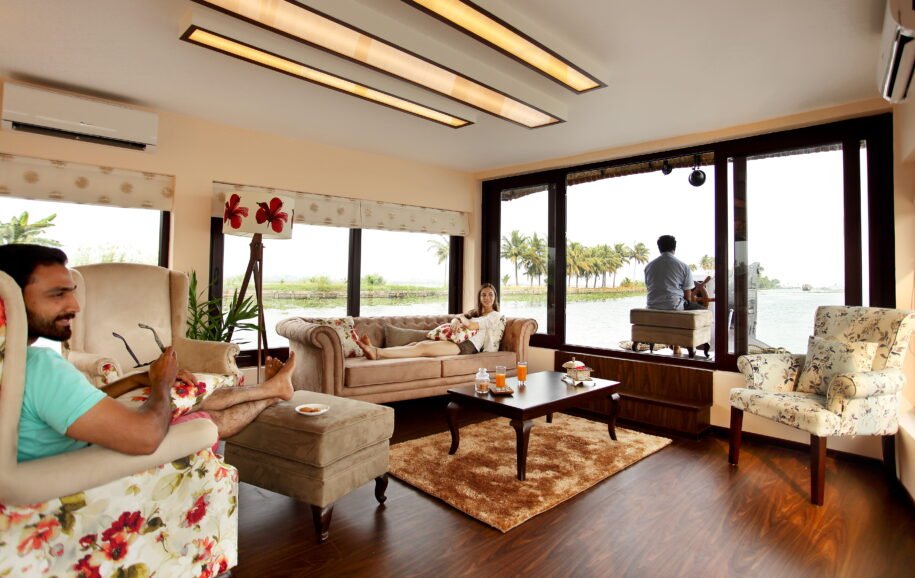
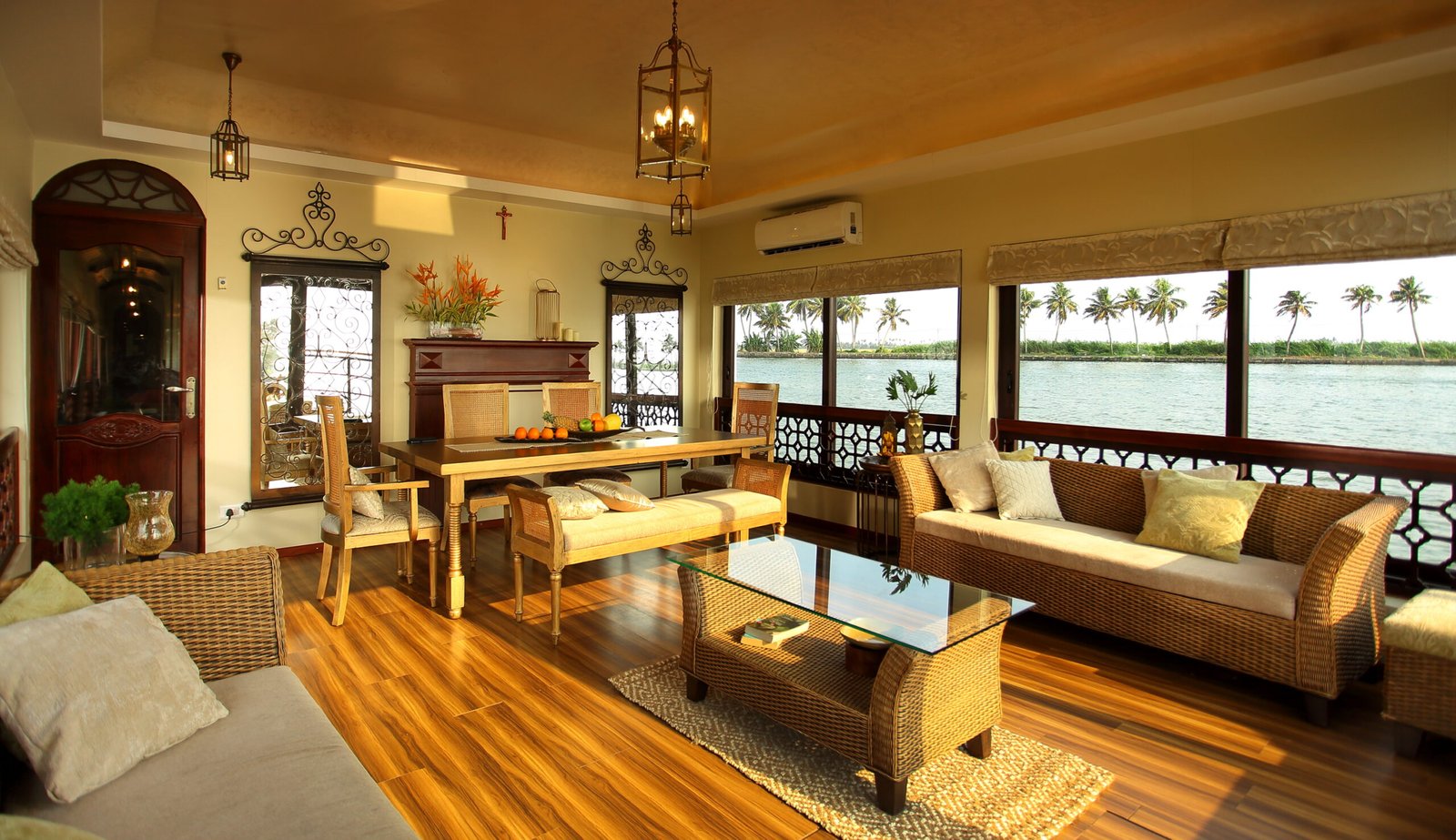
Spice Routes understands UK travelers specifically. Direct flights make their location naturally accessible. Diamond classification meets quality standards UK travelers expect. English-speaking crew fluently. Food accommodates dietary preferences common in Britain. Heritage farmhouse boarding represents accommodation standards UK travelers expect. Luxury houseboats with proper AC and bathrooms feel familiar while being distinctly Kerala.
A Ten-Day Itinerary That Actually Works
Day 1: London to Kochi flight. Day 2: Arrive Kochi morning, rest and explore Fort Kochi in afternoon. Day 3: Full Fort Kochi day—architecture, spice markets, museums. Day 4-5: Houseboat time—two nights on water, actual relaxation beginning. Day 6: Return from backwaters, rest in Kochi. Day 7: Either Munnar hills (different landscape) or Marari beach (coastal element). Day 8: Continuing that second location or returning to Kochi. Day 9: Kochi relaxation, evening flight. Day 10: Arrive London. This timeline doesn’t rush, includes variety, and actually allows rest rather than constant activity.
Booking Timeline
Start 6 months ahead booking flights for better rates. 5 months ahead, book your houseboat. 3 months ahead, arrange supporting accommodation. 8 weeks ahead, apply for visa. 4 weeks before travel, do final confirmations and book travel insurance. UK travelers tend to plan ahead. This timeline respects that while securing better pricing than last-minute scrambles.
The Direct Flight Difference
Same-day arrival (local time) means less jet lag than Australia-bound journeys. Flight duration of 10 hours is challenging but manageable—not the devastating 20+ hour experiences of earlier eras. Cost reasonable for UK travelers (£400-800 return is acceptable). The comfort level matters on 10-hour journeys, so consider airlines offering decent legroom and sleep amenities.
Kerala Backwaters from the UK
Spice Routes luxury houseboats: spiceroutes.in
Direct UK flight access, English-speaking crew, Diamond-classified quality standards.
Leave a Reply