
Every summer, the same pattern. Delhi, Chandigarh, Mumbai residents flee to hill stations. Shimla, Mussoorie, Nainital, Ooty, Manali. The familiar escapes from plains heat.
And every summer, the same problems. Traffic jams on mountain roads. Hotels packed. Restaurants with hour-long waits. Mall Road shoulder to shoulder with people. The relief from heat gets offset by the stress of crowds.
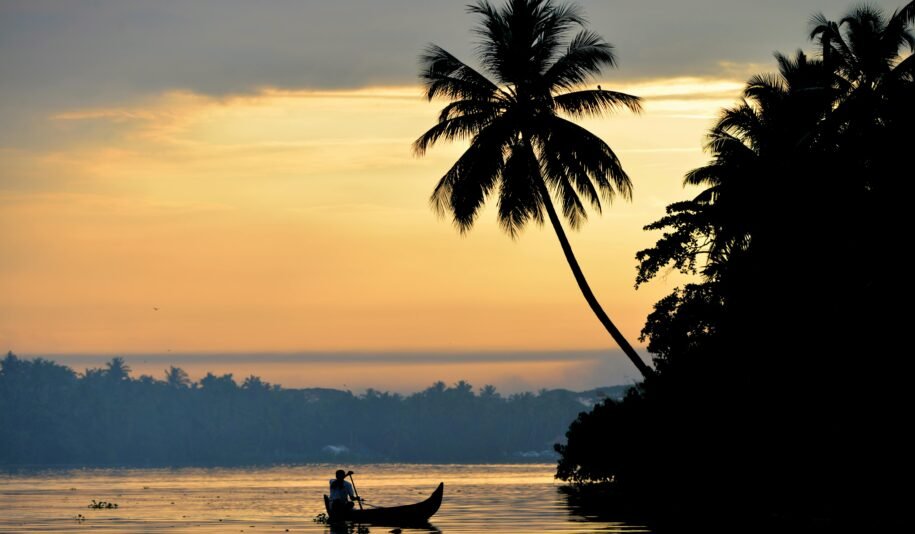
Some North Indian travelers figured out a different option. Kerala’s backwaters. Water instead of mountains. Humidity instead of cool air. But also actual quiet instead of tourist chaos.
Why Hill Stations Became Impossible
Summer 2025 showed the problem clearly. Shimla’s traffic was worse than Delhi’s. Manali’s hotels charged premium rates for basic rooms. Mussoorie’s infrastructure couldn’t handle the load.
The old hill station model broke. Built for British administrators escaping heat. Designed for small numbers. Now serving millions of summer tourists.
Roads can’t expand. Mountains don’t allow it. Hotels can’t multiply indefinitely. Environmental limits exist.
More Indians can afford summer travel now. Middle class grew. Disposable income increased. Everyone wants hill stations simultaneously.
The math doesn’t work. Too many people. Too little infrastructure. Something had to give.
What gave was the experience. Hill stations during peak summer became endurance tests, not relaxation.
The Backwater Logic
Kerala’s backwaters offer different trade-offs.
You don’t escape heat completely. Alleppey in May is hot. Humid. Not pleasant in the way Shimla cool is pleasant.
But you escape crowds. The backwaters are empty in summer. Tourist season runs December through March. Summer sees minimal visitors.
The infrastructure exists but isn’t overwhelmed. Houseboats operate year-round. Hotels have rooms. Restaurants have tables.
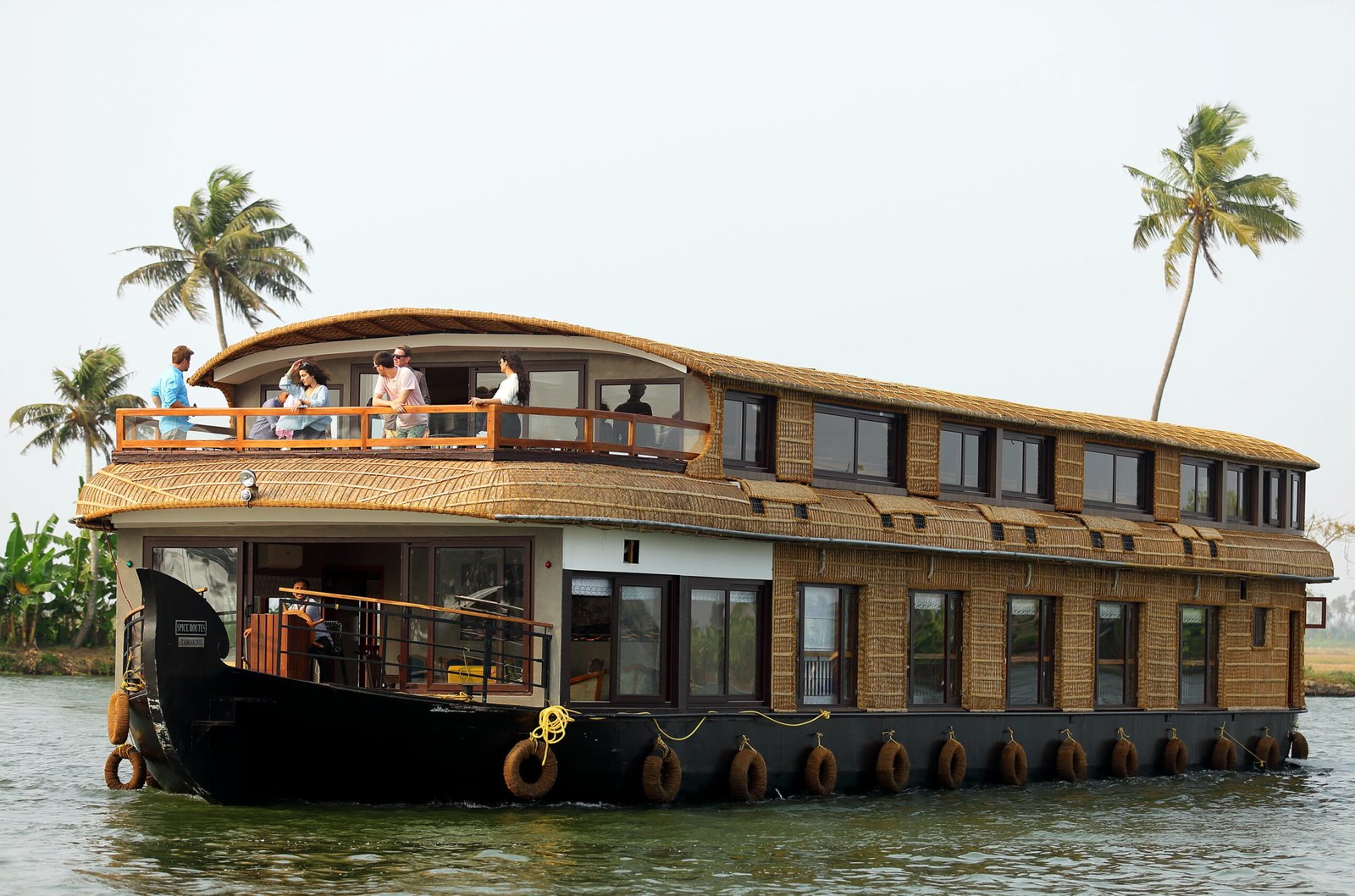
The price drops dramatically. Summer rates are half of winter rates sometimes. Same boats, same routes, much cheaper.
The experience quality improves despite heat. Uncrowded canals. Genuine quiet. Villages functioning normally without tourist pressure.
For North Indians willing to trade cool weather for actual peace, the math works differently.
What Summer Backwaters Actually Feel Like
Honesty first: it’s hot. Temperature hits 35-38°C. Humidity stays high.
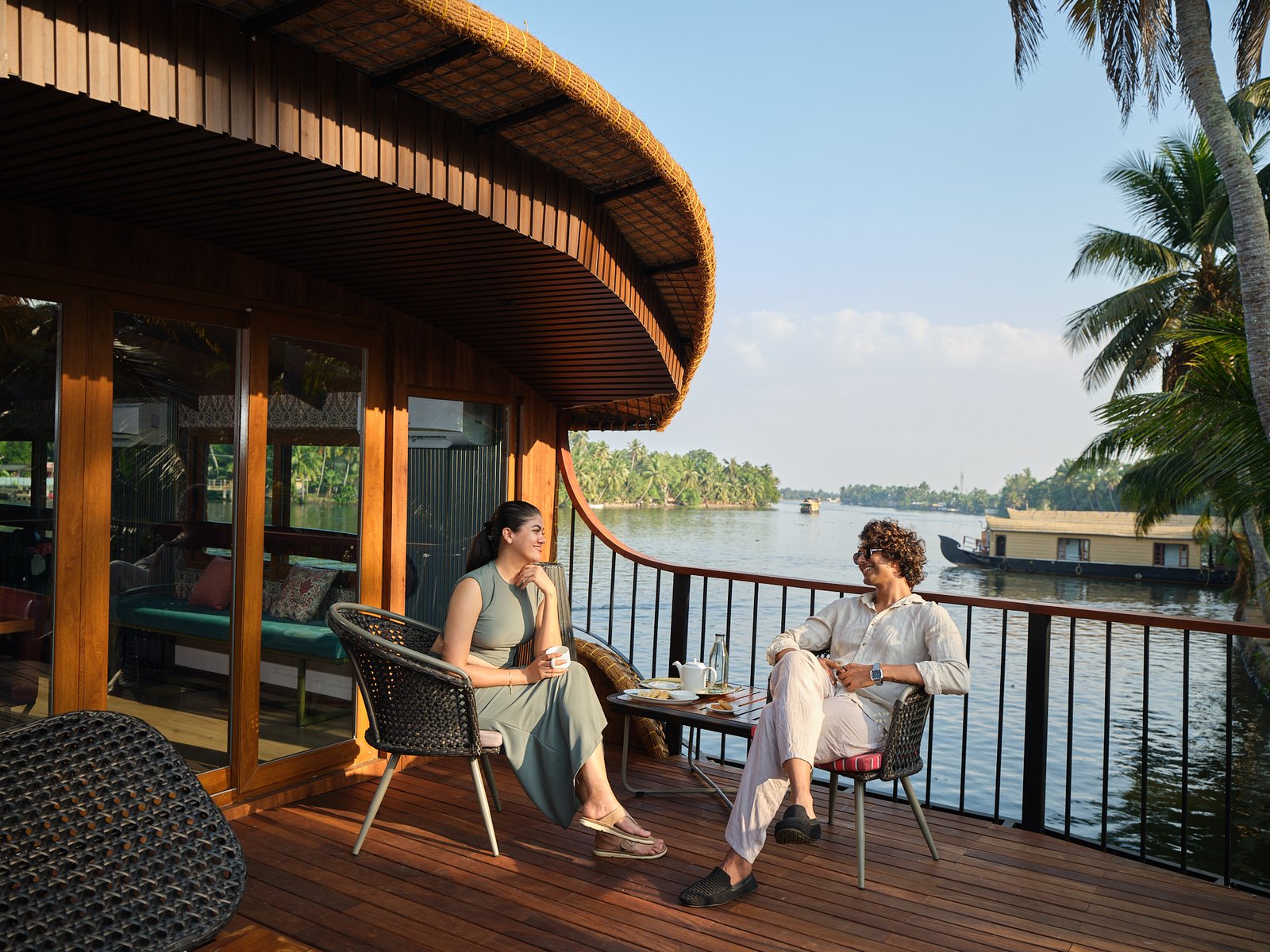
But you’re on water. The boat moves. Breeze happens even in heat. Under shade on the deck, with air moving, it’s bearable.
The cabins have AC. Modern luxury houseboats have proper air conditioning. Sleep comfortably at night. Cool down during hottest afternoon hours.
You adjust. Morning and evening become active times. Midday is rest time. The rhythm makes sense in heat.
Swimming becomes essential instead of optional. Jumping into the canal from the boat provides real relief. The heat makes getting wet feel necessary and good.
Fresh coconut water is everywhere. Tender coconuts provide natural cooling and hydration. Village vendors sell them constantly.
Food adapts. Less heavy. More cooling elements. Buttermilk. Rice water. Lighter curries. The local diet evolved for this climate.
After a day, you stop fighting the heat. You work with it. This is different from Delhi’s aggressive summer heat. Water and vegetation moderate it.
The Crowd Difference
This is the actual selling point.
Winter backwaters see dozens of houseboats cruising popular routes. Boats anchor near each other at night. Canals get congested during day.
Summer backwaters are empty. You might see two or three other boats in a full day cruise. Anchoring at night means genuine isolation.
Villages go about normal life without tourist traffic. The interactions feel different. Less performed. More authentic.
Restaurants and shops aren’t packed. Service is attentive because staff aren’t overwhelmed.
The famous Kerala experience of slow, peaceful water happens actually. Not fighting for it against crowds.
For people exhausted by Shimla’s summer chaos, the empty backwaters feel like discovering something everyone else missed.
The Cost Reality
North Indians used to hill station summer pricing know what gouging looks like.
Basic hotel in Manali during peak summer costs what luxury hotel costs in off-season. Restaurants charge tourist rates. Everything inflates.
Kerala summer is opposite. Luxury houseboats that charge premium rates December through March drop prices 40-50% in summer.
Good hotels in Kochi have rooms available at reasonable rates. Restaurants charge normal prices.
The total trip cost for family of four is often less than hill station trip despite longer distance.
Flights to Kochi from North India aren’t cheap. But even factoring that, overall Kerala summer trip costs less than peak summer hill station trip.
For budget-conscious families, this matters. Same money gets better experience in different location.
The Travel Pattern
North Indians booking summer backwaters typically do 4-5 days.
Fly to Kochi. Spend a day in Fort Kochi. Two days on houseboat. Maybe a day in Alleppey town or nearby beach. Fly back.
Short enough to use limited leave. Long enough to actually relax.
School summer vacations make timing work. Kids are off. Parents take few days leave. The Kerala trip fits.
Some combine with other Kerala destinations. Munnar for a day or two. Hills but not overcrowded North Indian hill stations. Different vegetation. Tea plantations. Still hot but not as humid as coastal areas.
Who’s Making This Switch
The pattern shows specific traveler types.
Repeat hill station visitors finally fed up. Families who tried Shimla or Manali every summer for years. Finally decided crowding isn’t worth it.
Budget-conscious professionals. Understand value. Recognize Kerala summer delivers more for less than hill station peak pricing.
Families with young children. Hill station travel with toddlers is stressful. Long drives on mountain roads. Cold weather requiring packing heavy. Crowds making supervision difficult. Backwaters are contained, safer, easier.
People seeking actual quiet. Introverts. Stressed professionals. Anyone prioritizing peace over scenery. The empty summer backwaters deliver silence.
Health-conscious travelers. Swimming. Clean air. Fresh food. The backwaters offer different wellness than cool mountain air but still health-focused.
What Doesn’t Work for Everyone
Be clear about who this doesn’t suit.
If you need cool weather physically, Kerala summer won’t work. Some people can’t handle heat regardless of other benefits.
If kids expect specific hill station activities, hiking, ropeway rides, pony rides, backwaters won’t satisfy them.
If your family is set on hill stations emotionally, Kerala substitution feels wrong regardless of logic.
If you have elderly family members with health issues, heat might be risky.
The backwater alternative isn’t universal solution. It’s specific option for specific travelers with specific priorities.
The Summer Advantage
Beyond avoiding crowds, summer brings unique positives.
Mango season. April through June is when mangoes ripen. Villages smell of mangoes. Markets overflow with varieties. This food experience doesn’t exist in winter.
Pre-monsoon drama. Late May and June see occasional heavy storms. Watching these from a houseboat is spectacular. The sky darkening. Rain pounding water. Then clearing. Visual drama winter doesn’t offer.
Village festivals. Some major Kerala festivals happen in summer months. Fewer tourists mean more authentic participation if timing aligns.
Different bird species. Migration patterns change. Summer residents differ from winter visitors. Birdwatchers find different observations.
Fishing variations. Summer fish behavior differs. Traditional fishing methods adjust. Watching this provides different insights than winter fishing.
Practical Adjustments
Summer backwater travel requires different approach than winter.
Pack light cotton. Nothing synthetic. Heat makes fabric choice critical.
Sun protection matters more. Hat, sunglasses, high SPF sunscreen essential. Sun is intense.
Hydration is constant. Drink more water than you think necessary. Humidity masks dehydration.
Timing activities. Plan village walks for early morning or late afternoon. Avoid midday heat.
Accept afternoon rest. Fight against siesta culture fails in summer heat. Embrace it. Rest midday. Be active morning and evening.
Lower comfort expectations. You will sweat. Constantly. Accept this. Trying to stay completely dry and comfortable fails.
How Operators Adjusted
Smart houseboat operators recognized summer opportunity and adapted.
Better AC became essential. Summer operation requires proper cooling systems. Investment in quality climate control matters.
Food menus adjusted. Lighter meals. More cooling drinks. Summer-specific dishes.
Activity timing changed. Village visits happen early or late. Midday is boat time.
Swimming became integrated activity. Not optional extra. Essential summer experience.
Routes sometimes adjust. Water levels drop in some canals. Summer routes use different sections.
Spice Routes specifically prepared their luxury houseboats for year-round comfort including summer demands.
The Word-of-Mouth Pattern
Kerala summer discovery happens quietly.
Delhi family tries it. Tells close friends. Those friends book next summer.
Chandigarh professional posts photos on Instagram. Colleagues ask where. Information spreads selectively.
Mumbai residents escaping coastal humidity find Kerala’s water-based humidity more tolerable somehow. They tell family.
The growth is organic. Not mass tourism marketing. People figuring out an alternative that works for their specific situation.
This keeps numbers manageable. Summer backwaters haven’t gotten overcrowded yet because discovery is gradual.
Environmental Benefit
Spreading tourism across seasons helps backwater communities.
Year-round operation means steady employment for crews. Not just winter jobs.
Revenue becomes more consistent. Small businesses can plan better.
Infrastructure gets used efficiently. Boats, hotels, restaurants operating summer too reduces waste of sitting idle.
Environmental pressure spreads across months rather than concentrating in winter peak.
Kerala government encourages this through promotion efforts. But market discovered it organically largely.
The Future Pattern
Summer backwater tourism will likely grow.
As hill stations become more impossible, alternatives become more attractive.
Flight connectivity improves. Makes Kerala more accessible from North India.
Word spreads. More North Indians learn this option exists.
Operators improve summer offerings. Better prepared for summer guests.
But growth might stay gradual. Heat is real barrier. Not everyone will make this trade-off.
The sweet spot is current situation. Enough summer visitors to support operations. Not so many it becomes crowded.
How Spice Routes Handles Summer
Spice Routes operates luxury houseboats year-round including summer months.
Their boats have reliable AC. Not marginal cooling but proper systems. This matters enormously in summer.
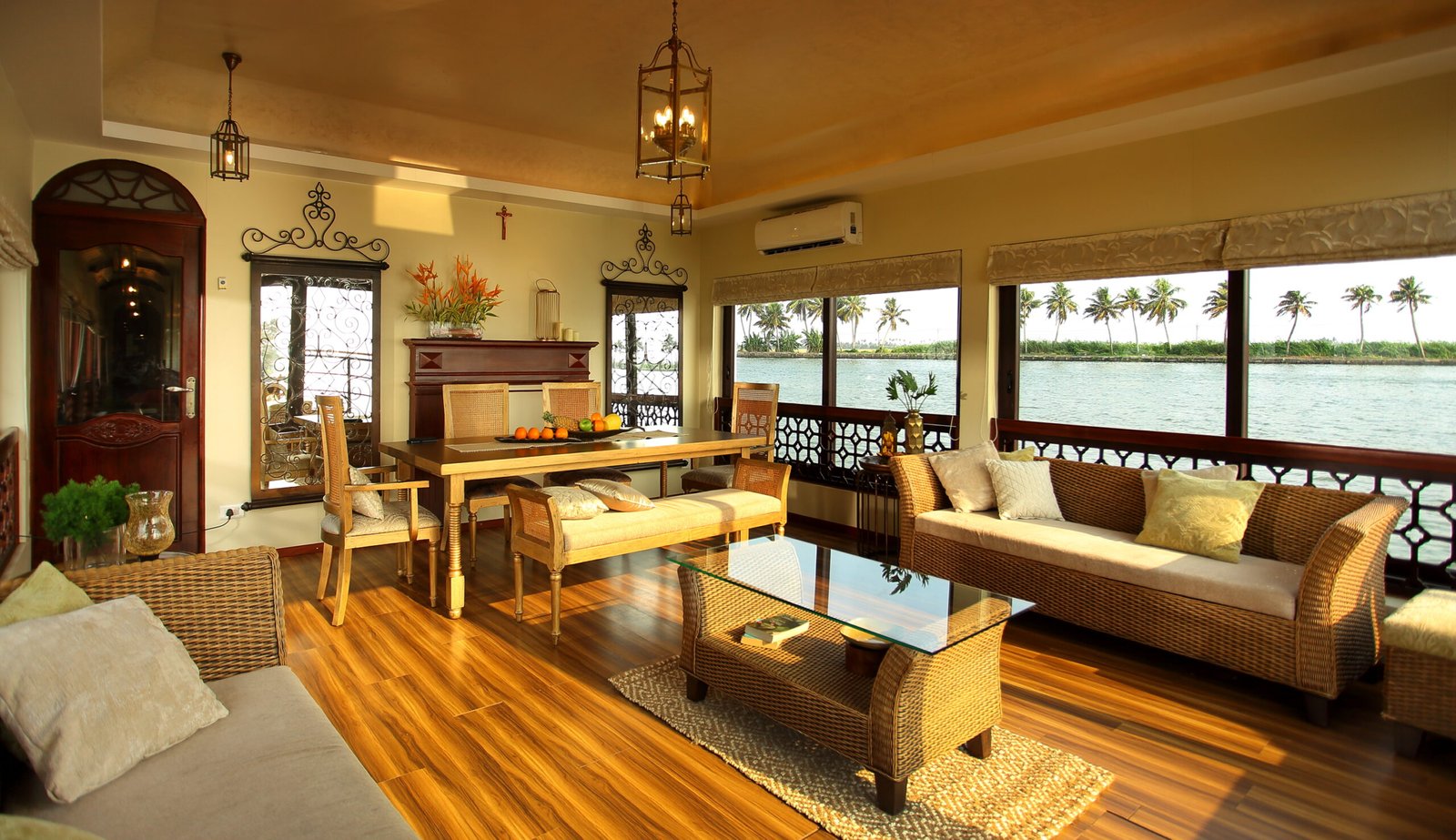
The crew knows summer operation. How to time activities. Where shade exists. When to slow down.
Food program adapts. Summer menus emphasize lighter, cooling options. Fresh local summer produce features prominently.
The narrow canal routes they use matter even more in summer. Less sun exposure than wide open water. More breeze from tree coverage.
The village programs work differently in summer. Early morning or late afternoon timing. Understanding that midday village walks don’t work.
The heritage farmhouse boarding facility has shade and breeze. Better than waiting at crowded jetties in heat.
Spice Routes doesn’t heavily market summer. They don’t need to. North Indian travelers discovering Kerala summer find them through research. Quality operation serves summer guests well without requiring different approach.
The luxury houseboats that work in winter work in summer too. Just different context. The crew that provides excellent winter service adapts to summer needs.
For North Indians tired of hill station summer crowds, Spice Routes delivers what they’re seeking. Actual quiet. Quality experience. Empty waterways. The heat is trade-off for peace.
They don’t hide that it’s hot. They work with it. Make it comfortable as possible. Focus on benefits like empty canals and genuine village life.
The growth they see in summer bookings from North India is steady. Not explosive. Families who tried it return. Tell friends selectively. The pattern works.
Summer backwaters won’t replace hill stations entirely. But for travelers prioritizing quiet over cool, empty over crowded, value over convention, the alternative exists.
Spice Routes provides the infrastructure and experience quality that makes the alternative work well.
Summer Backwater Escapes
Luxury houseboats operating year-round: spiceroutes.in
Summer rates, experienced crews, AC-equipped boats, routes through shaded canals.
Leave a Reply