
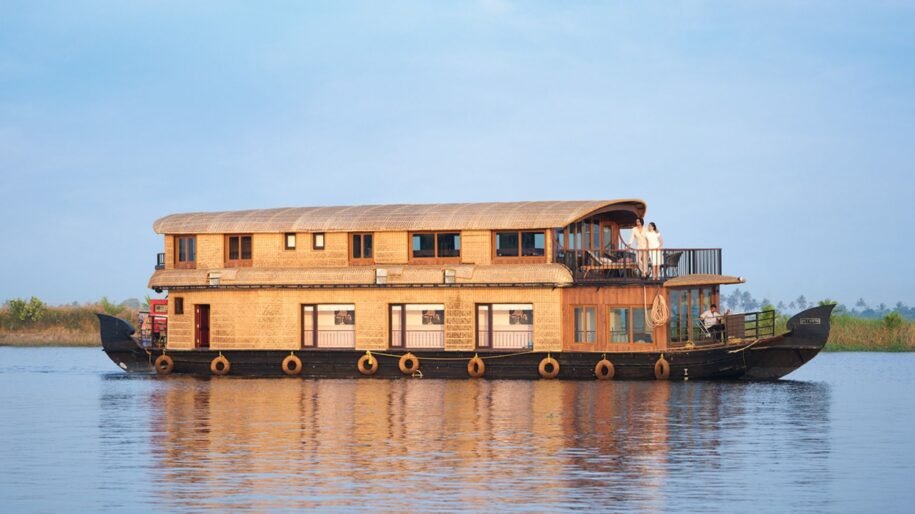
October hits Kerala and something shifts in the air. Those heavy monsoon rains finally back off, the humidity eases from unbearable to merely tropical, and suddenly the backwaters start resembling those photos that made you want to come here. If you’ve been thinking about a houseboat cruise, October through March is when all the pieces fall into place.
Sure, “travel during peak season” is advice so generic it barely registers—like “drink water” or “charge your phone.” But for Kerala’s backwaters specifically, what does that actually mean? And why are houseboat rates nearly double during these months if the canals exist all year?
Let me walk you through what genuinely changes during this window, beyond just “nicer weather.”
Why the Weather Actually Matters
Kerala cycles through three climate phases. March to May brings punishing heat and thick humidity. June through September means monsoon—some days gentle rain, other days the kind of downpour that keeps you indoors. October to February is what locals call good weather, without any qualifiers needed.
Temperature-wise, you’re looking at mid-20s to low-30s Celsius. Still warm—you’re in tropical South India—but you’re not dripping sweat before lunch. The humidity drops substantially from monsoon levels. Even the air quality shifts—lighter somehow, less like breathing through wet fabric.
Rain turns from constant threat to occasional event. Maybe a brief afternoon shower, but those sustained monsoon downpours that could last hours have moved elsewhere. Skies clear more predictably, which becomes important when you’re planning to spend most of your time on an open deck.
This weather shift does something critical: being outside becomes pleasant instead of something you endure. The houseboat experience really happens on that deck—morning coffee while villages wake up, lazy afternoon hours as paddy fields drift by, evening drinks when the light goes soft and golden. Good weather means you naturally stay outside. Bad weather traps you in your cabin, and you miss most of what makes this trip special.
How the Landscape Changes
Monsoon transforms Kerala dramatically. The green becomes almost violent in its intensity, water levels climb fast, the ecosystem kicks into high gear. There’s beauty in that drama, but it’s not what most travelers envision for Kerala’s backwaters.
By October, things calm down. The landscape stays green and lush—still Kerala, still tropical—but the shades soften and vary. Water levels find their balance in the canals, which creates those glass-smooth surfaces that look incredible in photographs. The light shifts too, getting clearer and warmer, especially early and late in the day.
Daily life returns to the waterways. Monsoon drives people indoors. Post-monsoon, you see farmers working paddy fields again, kids playing at the canal edges, women doing laundry on the stone steps, fishermen checking nets. This isn’t performance—these are real communities going about their lives. Better weather just draws that activity back outside where you can observe it.
Water clarity improves considerably versus monsoon when rain constantly churns sediment. The canals take on this specific dark greenish-brown shade that looks cleaner than it sounds. Bird activity jumps—egrets wading through shallows, kingfishers darting around, cormorants diving—as migratory birds arrive and resident species become more active in better conditions.
The Practical Improvements
Peak season brings operational upgrades that sound mundane but matter once you’re actually on the water.
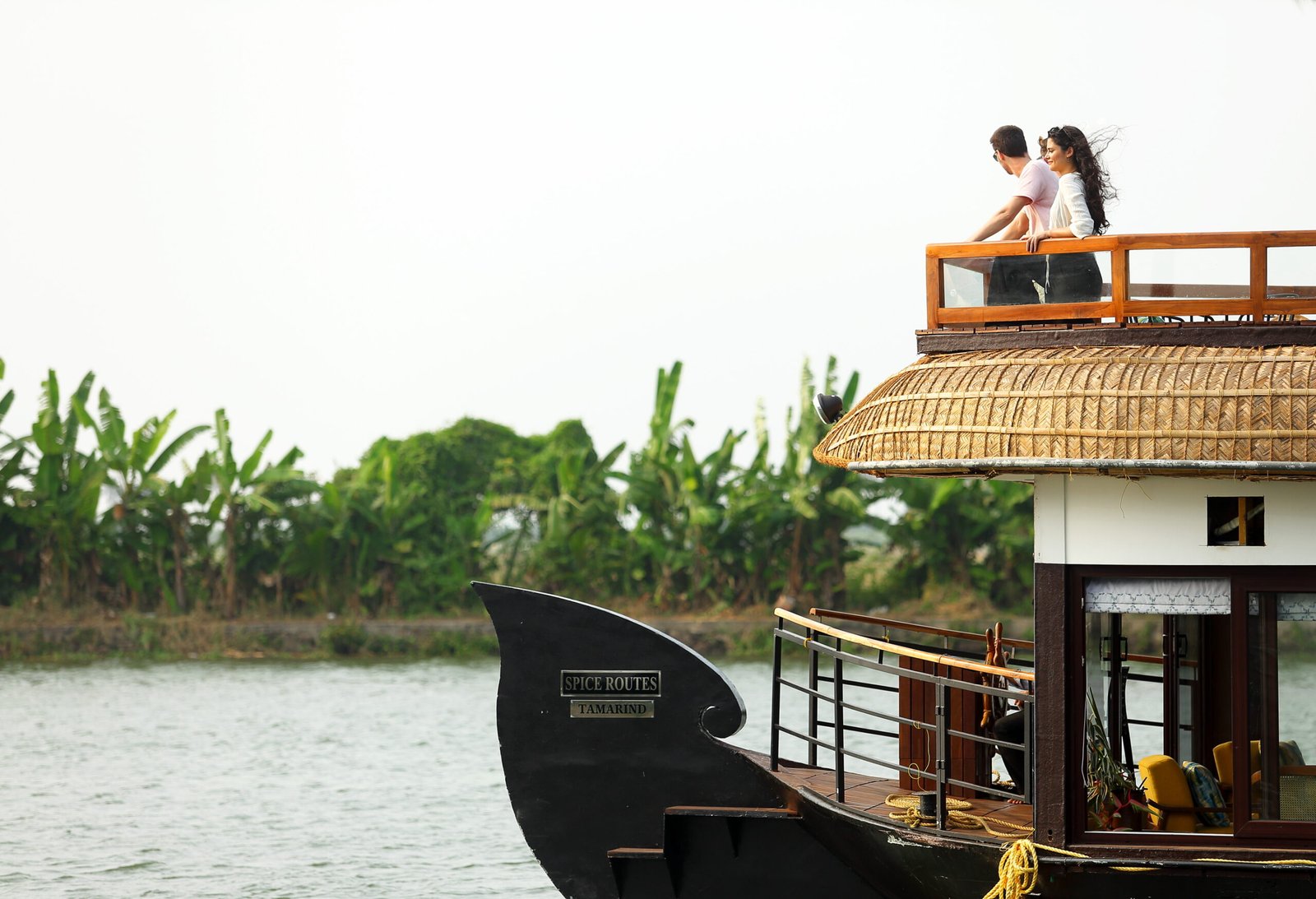
Houseboats run on proper schedules. Crews are fully staffed, maintenance happens on time, operators pay attention to small details that might slide during slower periods. Think of a busy restaurant during peak service versus the slow hours—same kitchen, but completely different energy and focus.
Food sourcing gets noticeably better. Markets carry more variety and higher quality when demand increases. Fishermen work more actively, giving chefs better access to fresh catch. Farmers bring bigger harvests. These seem like minor improvements individually, but they compound when you’re eating three meals daily from these sources.
Navigation becomes more dependable. Water levels hold steady, which matters for reaching quieter canal sections where houseboats need adequate depth. Low water closes some routes. High monsoon water with strong currents limits safe travel. Peak season hits that middle zone—enough depth everywhere, calm enough for safe navigation.
Booking and communication work more smoothly. Operators run at capacity, respond quickly, payment systems function reliably, backup plans exist if issues arise. Off-season often means reduced staff and slower responses. Not fatal problems, but added hassle when you’re coordinating from far away.
The Tourist Factor
This plays differently depending on your preferences.
Yes, peak season brings more tourists. The main waterways around Alappuzha get legitimately busy—not overwhelmed, but you’ll share space with other houseboats. If any level of crowds bothers you, this becomes relevant.
But that activity creates energy. Villages feel livelier. Businesses operate fully. Festivals and cultural events happen more frequently. There’s a vibrancy to peak season that appeals if you’re not absolutely committed to isolation.
Better operators handle this well. They position in quieter backwater sections away from main tourist corridors, so you get peak season benefits—good weather, full services, active village life—without the congestion. Budget operators on busy main routes near town expose you to crowds more directly.
For solo travelers wanting to meet people, peak season makes that easier. More travelers around means more chances for conversations, shared experiences, connections. Off-season can feel lonely if you’re alone and want some interaction beyond your crew.
Festival Season
Kerala’s festival calendar loads up during these months, and several sync nicely with backwater areas.
Onam typically lands in August-September just before peak season, though celebrations sometimes extend into October in certain regions. Diwali brings atmosphere in October or November depending on the lunar calendar. Christmas carries real weight here given Kerala’s large Christian population—churches along the backwaters decorate extensively, hold special services, festive foods appear everywhere.
These festivals won’t directly impact your cruise necessarily, but they infuse the region with different energy. You’ll spot decorations, hear music across the water, smell special dishes cooking, watch preparation activities. It layers cultural depth onto what you’re experiencing.
Ayurvedic centers also peak now. Many travelers combine houseboat cruises with Ayurvedic wellness programs, and facilities run at full strength with complete staff during peak season. If you’re planning that pairing, timing becomes significant.
For Photos
If capturing this visually matters, peak season delivers measurably better results.
Light quality jumps substantially. Clearer skies and lower humidity create those rich, warm tones during golden hour—early morning and late afternoon—that make Kerala photos memorable. Monsoon light can be moody and dramatic, but it’s trickier to handle and less reliable.
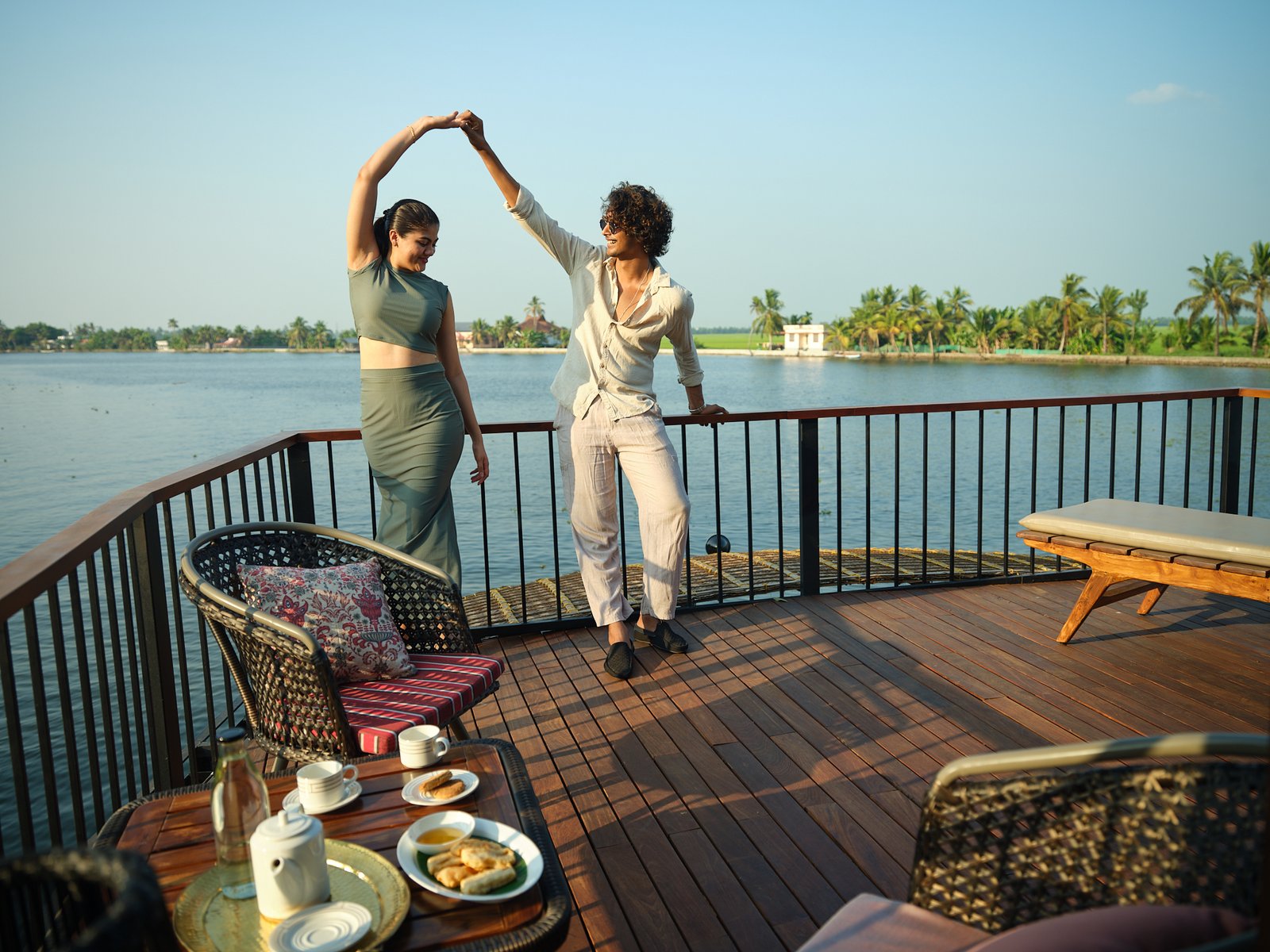
You can see further. Deeper into landscapes, more detail visible, patterns in paddy fields and palm groves that haze hides other times. Colors come through more saturated—greens more vivid, water more reflective, skies actually blue instead of washed out.
Stable weather means using cameras without constantly worrying about sudden rain. Monsoon requires constant vigilance and protective gear. Peak season lets you shoot more freely.
Why Prices Increase
Higher peak season rates aren’t just opportunistic pricing, though market forces play a role. Costs genuinely rise.
Fuel prices stay consistent, but consumption increases as boats run continuously rather than sitting idle. Staff expect full wages versus reduced off-season pay. Maintenance becomes urgent—repairs can wait in July when bookings are light, but not in December when you’re booked solid for weeks.
Food costs climb as demand across Kerala’s tourism sector increases. Quality ingredients get expensive when every restaurant, hotel, and houseboat competes for the same fresh fish and produce. Operators maintaining standards absorb these higher costs.
Insurance, licensing, and fees often vary seasonally. Authorities recognize peak months mean higher risk—more boats operating, more potential incidents, greater emergency response needs—and structure pricing accordingly.
Market dynamics also allow higher pricing when demand exceeds supply. Quality houseboats book out weeks or months ahead during peak season. Operators charge what the market supports, which rises when availability becomes scarce.
Booking Strategy
If October through March is your window, here’s how booking actually works now.
Prime dates fill months ahead, particularly around Christmas, New Year’s, and Indian holidays. December weekends vanish first. Want specific dates on specific boats? You’re likely already behind for best availability.
Weekdays show better availability even in peak season. Most people book weekend getaways or week-long trips spanning weekends. Tuesday-Thursday departures often have more options even in busy December.
Premium operators like Spice Routes keep higher prices but often have better availability because they focus on quality over volume. Budget operators cram bookings tighter, filling faster but creating more potential for availability problems even after you’ve booked.
Direct booking beats aggregator platforms during peak season. You can discuss specific needs, get clear answers about actual availability, understand exactly what you’re paying for. Third-party sites sometimes display availability that doesn’t exist, causing frustrating delays or last-minute boat switches.
The Counterargument
Peak season isn’t automatically better for everyone. Consider when it might not fit.
Want genuine solitude and empty spaces? Off-season delivers that far more effectively. The backwaters feel more private, less like shared tourist space. You’ll pay notably less—often 40% less—for identical boats.
Comfortable with rain and weather uncertainty? Monsoon season has real appeal. The dramatic weather creates distinct beauty many travelers specifically seek.
Budget seriously tight? Off-season makes luxury houseboats accessible at mid-range prices. You trade weather reliability for substantially better value.
Dislike crowds in any form? Even Kerala’s modest peak season crowds might bother you. Off-season mostly eliminates that concern.
Spice Routes During Peak Season
Spice Routes runs year-round, but their peak season operation shows why timing matters.
Their six houseboats—one to five bedrooms, all exclusive—operate at full capacity now. Complete crews, fully stocked kitchens, everything optimized. Chefs access the best ingredients markets offer during peak harvest and fishing.
Location advantage becomes clearer now. Based about 10 kilometers from Alappuzha near Chennamkary village, they skip main canal congestion entirely. You get peak season benefits—weather, full services, cultural energy—without crowding that town operators face.
Check-in at their 200-year-old heritage home surrounded by farmland establishes tone that matters more in good weather. During monsoon you’re rushing through rain to board. Now you can explore the property, appreciate traditional architecture, understand agricultural context before leaving.
Food quality, already strong year-round, peaks when ingredient sourcing improves. Fresh karimeen from active fishermen, vegetables from local farms at harvest, traditional preparations using optimal seasonal ingredients. November meals genuinely exceed what’s possible in July—not because chefs care less off-season, but because ingredients available simply aren’t as good.
Your Call
Deciding whether to book now for this season or wait? Here’s the practical read.
Peak season delivers the most reliably good experience. Weather cooperates. Backwaters show their best side. Services run smoothly. Cultural calendar adds depth. If this might be your only Kerala visit, peak season removes variables that could diminish it.
But peak season isn’t necessary for a good cruise. Many travelers have excellent off-season experiences. If you’re flexible, adventurous, or budget-conscious, off-season works fine.
Real question: how much does weather reliability matter to you? If quite a lot, book October-March. If you’re fine with trade-offs for lower prices and fewer people, off-season makes sense.
Kerala’s backwaters are beautiful year-round. Most reliably, predictably, comfortably beautiful now through March. That reliability is what you’re paying for—not different scenery, but greater certainty conditions will cooperate.
Check Spice Routes’ peak season availability at spiceroutes.in/kerela-houseboats