
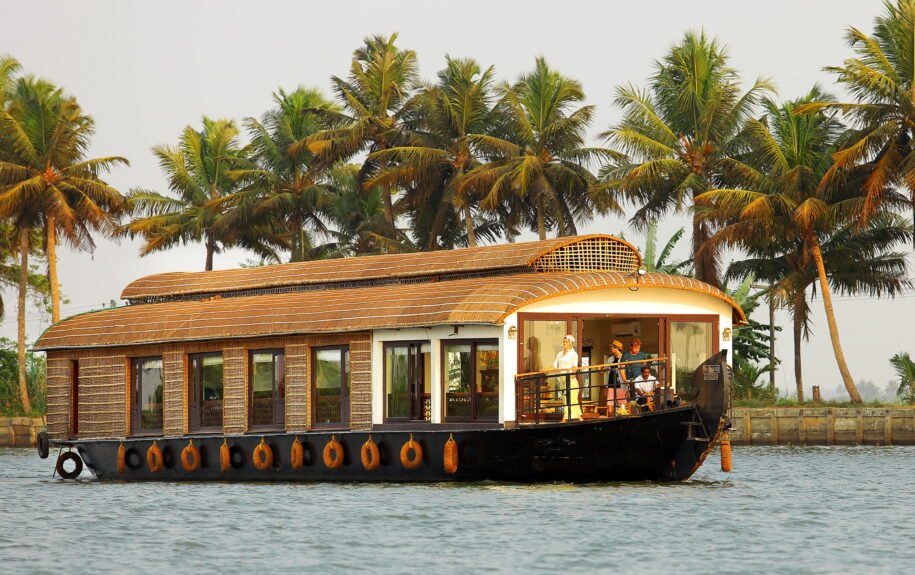
Everyone knows Kerala’s peak season. December through March. Cool weather, clear skies, manageable humidity. Tourist crowds, higher prices, fully booked houseboats.
Summer, April through June, gets written off. Too hot. Too humid. Monsoon approaching. Most travel guides suggest avoiding Kerala entirely during these months.
They’re wrong. Or at least missing something important.
Summer backwaters are different. Less comfortable in some ways. But also less crowded, cheaper, and offering experiences peak season doesn’t provide.
The Heat Reality
Start with honesty. Summer in Kerala is hot. Temperatures hit 35-38°C regularly. Humidity stays high. The combination is intense.
But you’re on water. That changes things.
The backwaters generate breeze. Moving air even in hot weather makes it bearable. On a houseboat deck, under shade, with wind from the boat’s movement, the heat becomes manageable.
Air conditioned cabins provide escape when you need it. Modern luxury houseboats have proper AC. Sleep comfortably at night. Cool down during the hottest afternoon hours.
The heat isn’t pleasant like December cool. But it’s survivable and sometimes even invigorating. You sweat. You slow down. You adjust to Kerala’s actual climate rather than experiencing it during the brief cool window.
What You Avoid
Peak season crowds disappear in summer. The backwaters empty out.
Tourist houseboats that run packed December through March operate at maybe 30% capacity in summer. Some don’t operate at all.
This means quiet canals. No boat traffic jams. No anchoring next to a dozen other boats. The backwaters as they actually are most of the year.
Prices drop significantly. Houseboats that cost premium rates in winter offer deals in summer. Same boats, same routes, same service. Different price.
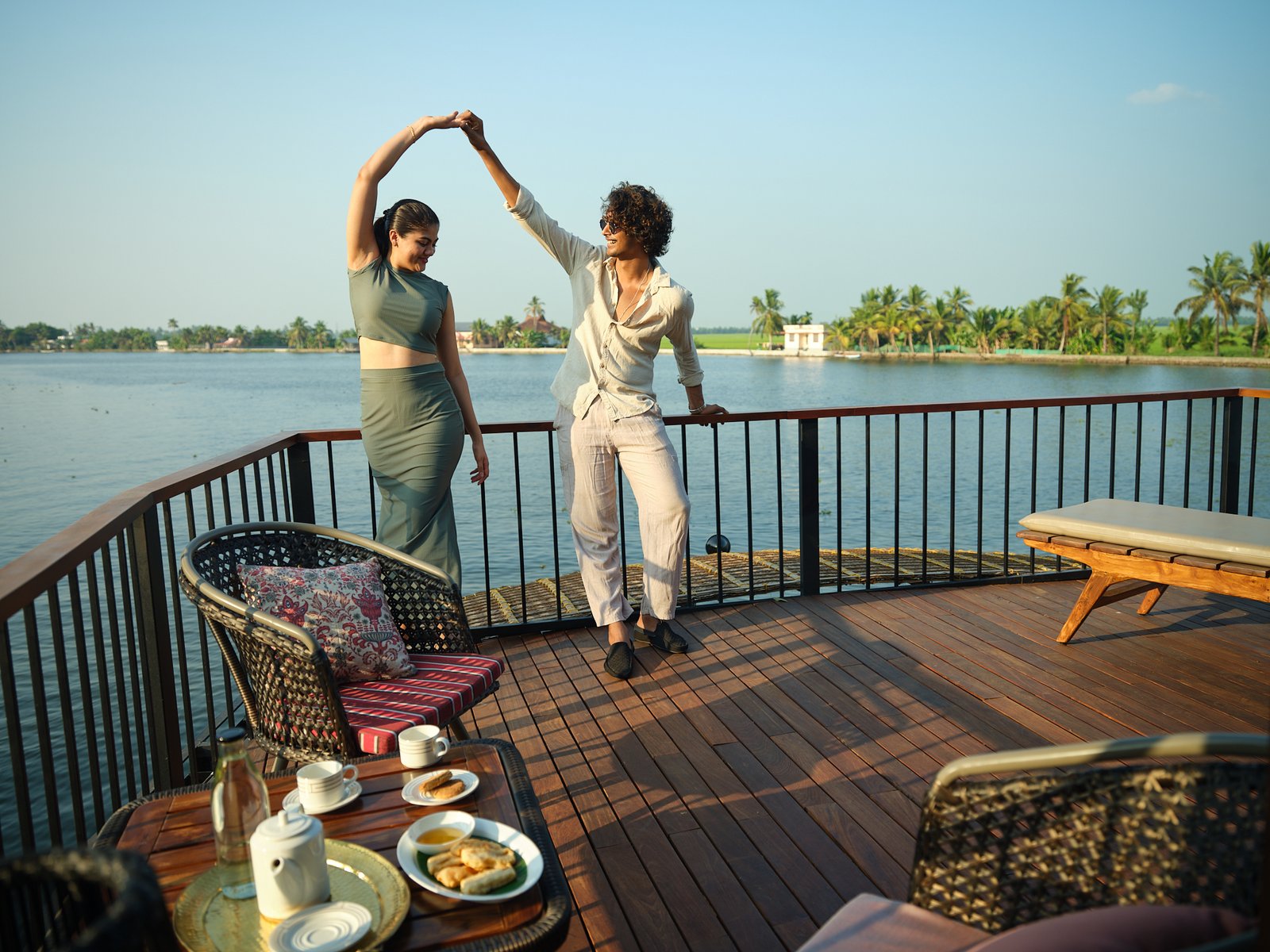
Popular sites in Kochi and around Kerala see fewer visitors. Fort Kochi’s lanes aren’t packed. Museums have space. Restaurants have tables.
If you hate tourist crowds, summer delivers solitude.
The Landscape Changes
Summer transforms how the backwaters look.
Water levels drop. Canals narrow. Some shallow sections become harder to navigate.
This reveals landscape features hidden during higher water. Exposed banks. Roots of palms. Sandbanks. The underlying geography shows itself.
Rice paddies go through different stages. Harvest happened earlier. New planting begins before monsoon. The green intensity varies from winter’s lush growth.
Fishing changes. Fish behavior differs in warmer water. Different species become catchable. Traditional fishing methods adjust.
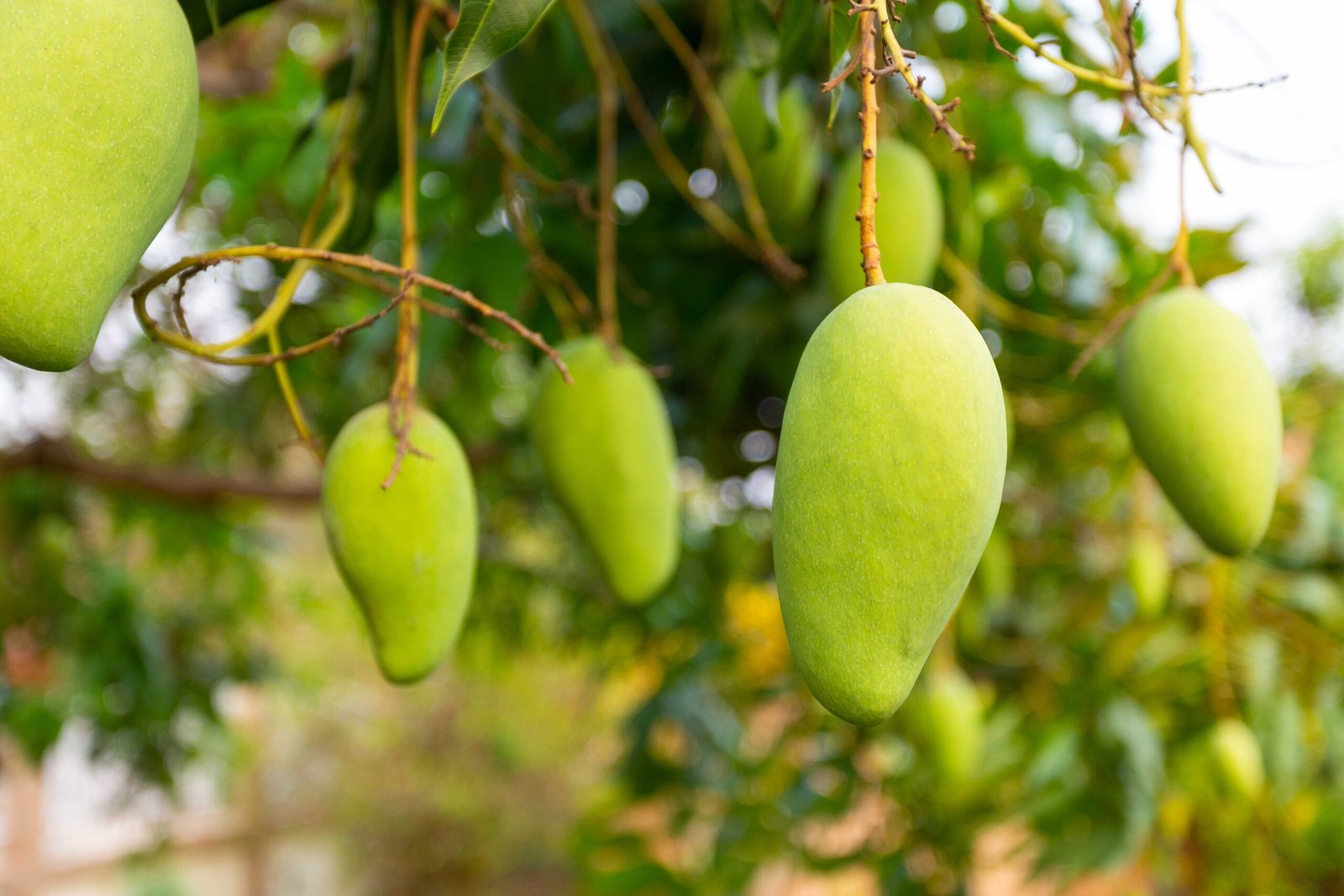
Mangoes ripen. April through June is mango season. Villages smell of ripe mangoes. Markets overflow with varieties. This fruit abundance is summer specific.
Coconut palms are always there, but summer sees different harvest patterns. Tender coconuts become more crucial as natural cooling drinks.
The light is different. Stronger, more direct. Creates harsher shadows but also dramatic contrasts. Photography takes on different character.
Activities Summer Enables
Some experiences work better in summer heat.
Swimming becomes essential rather than optional. Jumping into canal water from the boat feels necessary. The heat makes getting wet pure relief.

Village walks happen early morning or late afternoon. Daytime heat is too much. This timing means catching different village activities than winter visits do.
Toddy tastes different when you’re actually hot. The cool, slightly fizzy drink makes sense in context. Refreshment rather than curiosity.
Monsoon preparation activities become visible. Houses getting roofs repaired. Boats being maintained. Communities preparing for the rains that will arrive soon.
Temple festivals continue through summer. Some major festivals happen in these months. Fewer tourists means more authentic participation if timing aligns.
The Wildlife Advantage
Birds change seasonally. Summer brings different species than winter.
Migratory birds have mostly left by April. But local breeding birds are active. Nesting happens. Chicks appear. The resident bird population is more visible.
Kingfishers are easier to spot. They hunt more actively in lower water where fish concentrate.
Herons and egrets work the exposed banks. More feeding opportunities in shallower water.
Reptiles become more visible. Monitor lizards sun themselves. Water snakes appear more often.
The biodiversity doesn’t decrease in summer. It changes. Observers interested in Kerala’s actual ecology, not just peak season snapshots, find summer valuable.
Cultural Authenticity
Winter tourism creates a certain performance. Villages know tourists are coming. Routines adjust slightly. The presence of constant visitors changes behavior.
Summer backwaters function without tourist pressure. Village life proceeds normally. What you see is less influenced by outside presence.
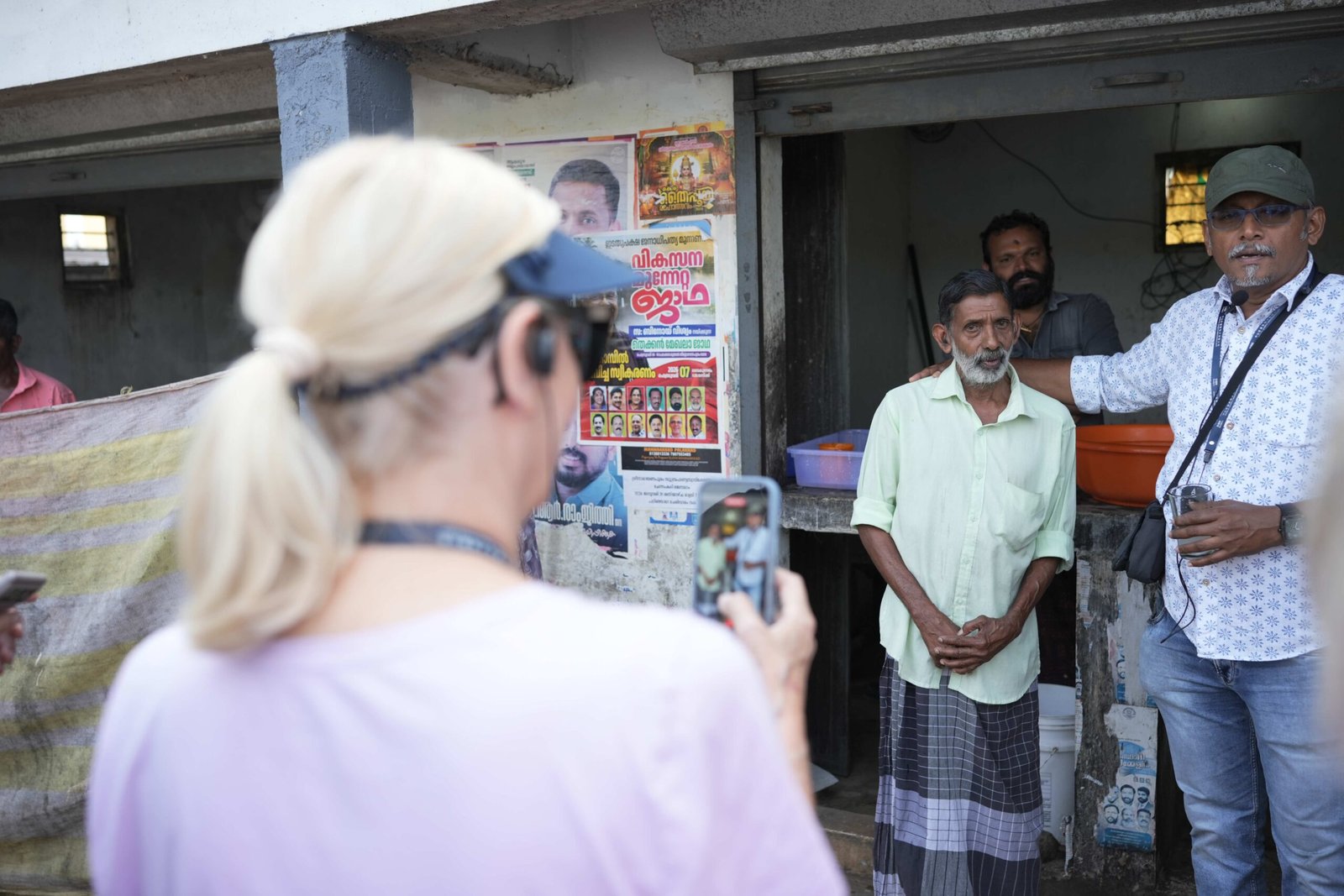
Festivals and ceremonies happen for local communities, not visitors. If you encounter them, you’re witnessing rather than being catered to.
The interactions feel different. Locals aren’t tired of tourist questions yet. More openness to genuine conversation.
This doesn’t mean winter tourism is fake. But summer offers different authenticity. The backwaters as they are for themselves, not for visitors.
The Monsoon Transition
Late May and June see pre-monsoon showers. Not the full monsoon yet but occasional heavy rain.
These showers are dramatic. Sky darkens suddenly. Rain pounds down. Then clears. The pattern repeats.
The rain brings relief from heat. Temperature drops during showers. Everything smells fresh after.
Watching storms over water from the houseboat deck is spectacular. The visual drama of clouds building, rain approaching across the canals, then the downpour.
This transition period shows the backwaters preparing for monsoon. Water levels start rising. Green intensifies as rain increases. The environment shifts visibly.
Practical Considerations
Summer travel requires different packing.
Light cotton clothing. Nothing synthetic that traps heat. Cover shoulders and knees for village visits but choose the lightest fabrics possible.
Sun protection matters more. Hat, sunglasses, high SPF sunscreen. The sun is intense.
Hydration becomes critical. Drink more water than you think you need. The humidity masks how much you’re sweating.
Mosquito protection. Summer brings more mosquitoes. Repellent, long sleeves in evening, sleeping under nets if provided.
Flexibility with timing. Plan active things for early morning or late afternoon. Accept midday as rest time.
Lower expectations for comfort. You will sweat. Constantly. That’s just summer in Kerala.
Who Summer Appeals To
Certain travelers find summer backwaters ideal.
Budget travelers. The price drop makes luxury experiences affordable. Luxury houseboats at mid-range prices.
People escaping summer elsewhere. If you’re from Middle East or North India, Kerala’s summer is familiar. Not worse than what you left.
Off-season seekers. Those who deliberately avoid peak times. Value quiet over perfect weather.
Longer-term travelers. Digital nomads. People with flexible schedules not bound to winter holidays.
Families with school-age kids. Summer vacation aligns with April-June. If traveling with children, summer is when it’s possible.
Photography enthusiasts interested in dramatic light rather than soft winter glow.
Cultural observers who want to see Kerala functioning normally rather than in tourist mode.
The Food Advantage
Summer brings specific Kerala foods.
Mangoes dominate. Dozens of varieties. Each village has preferences. Trying different mangoes becomes daily activity.
Tender coconut water sells everywhere. Natural electrolyte replacement. Necessary hydration.
Summer-specific fish appear in markets. Certain species thrive in warmer water. Dishes adjust accordingly.
Cooling drinks and foods become prominent. Buttermilk. Rice water. Specific curries designed to cool the body.
The food culture adapts to heat. This seasonal variation in cuisine is harder to see in winter when Kerala caters to tourist preferences.
Cost Breakdown
Summer prices drop across the board.
Houseboat rates might be 40-50% lower than peak season for the same boats. Significant savings.
Accommodation in Kochi and elsewhere sees similar drops. Same hotels, much cheaper.
Flight and train prices to Kerala decrease. Lower demand means better deals.
Even restaurants and shops in tourist areas reduce prices slightly.
The total trip cost can be half of what winter travel costs. Same experiences, different weather, major price difference.
What You Sacrifice
Be clear about trade-offs.
Comfort. You’re hot much of the time. Sweaty. Less pleasant physically than cool winter weather.
Some activities. Extensive walking in midday heat is miserable. Options reduce to early morning or late evening.
Photography challenges. Harsh midday light creates problems. Haze reduces visibility sometimes. The soft winter light is genuinely better for most photography.
Festival timing. Some major Kerala festivals happen in winter. If those matter to you, summer misses them.
Social atmosphere. Fewer tourists means less international traveler community if that appeals to you.
The backwaters don’t offer everything in summer they offer in winter. Different season, different experience.
When Exactly to Go
April is hottest but driest. Clear skies, intense heat, no rain.
May sees pre-monsoon showers starting. Some relief from heat but weather becomes less predictable.
June transitions to monsoon. By late June, full monsoon arrives. This is different from summer; it’s the wet season.
For pure summer experience, April through mid-May works best. For transition experience with dramatic weather, late May through early June.
Avoid late June onward unless you specifically want monsoon, which is another category entirely.
How Operators Adjust
Spice Routes runs year-round including summer. Their luxury houseboats operate even during slow months.
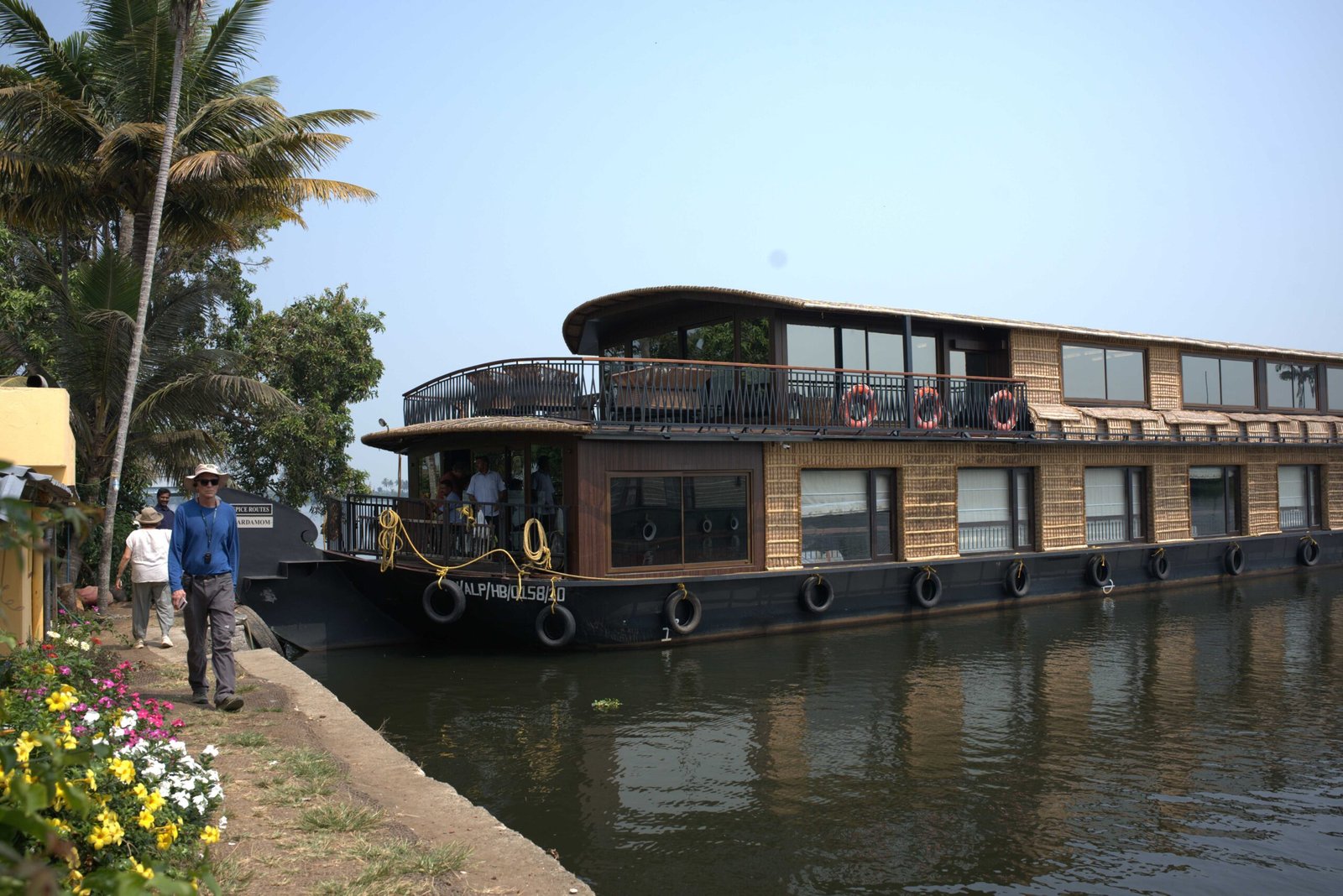
Routes might adjust slightly. Some very shallow canals become unnavigable in low summer water. Alternative routes substitute.
Staffing stays consistent. The crew doesn’t change seasonally. Service quality remains the same.
Maintenance often happens in summer. Boats might be serviced during quiet periods. This ensures everything works properly for peak season.
The summer operation shows commitment beyond just profit maximizing. Keeping crews employed year-round. Maintaining village relationships even when tourist demand drops.
For travelers, this means infrastructure and experience quality don’t degrade just because it’s off-season.
The Monsoon Watching
If your time it right, late May or early June, you experience monsoon arrival.
The first real monsoon rains are events. After months of heat, the deluge arrives. Temperature plummets. Everything gets soaked. The landscape visibly transforms.
Being on the backwaters when monsoon hits is memorable. Watching the rain approach across open water. Feeling the temperature drop. Seeing the canals rise.
This isn’t comfortable tourism. It’s dramatic and slightly wild. Not for everyone. But unique.
The transition from summer to monsoon shows Kerala’s climate cycle. Understanding this cycle helps understand how the backwaters function, how agriculture works, why water management matters.
Photography in Summer
Summer light challenges photographers but also creates opportunities.
Golden hour is more intense. Lower sun angle, more dramatic colors.
Storm photography in late May/June offers spectacular cloudscapes.
Village life in heat shows different activities. People adapting to weather. Kids swimming. Afternoon rest periods. Seasonal foods.
Mango harvest photography. Bright fruits. Market scenes. Cultural element visible only in summer.
The difficulty of midday light forces photographers to work at different times. Sometimes constraints improve creativity.
The Quiet Benefit
Peak season backwaters have constant low-level noise. Boat engines. Tourist chatter. Music from other boats. The accumulated sound of many people.
Summer backwaters are quiet. Your boat. Occasional village sounds. Birds. Water.
The silence is real. You hear things impossible during tourist season. Temple bells carry further. Conversations across water. Wind through palms. Fishing nets being cast.
This quiet changes the experience fundamentally. The backwaters feel contemplative rather than recreational. Space for thought rather than constant stimulation.
Some people find the quiet boring. Others find it essential. Know which type you are.
Why Spice Routes Recommends Summer
Spice Routes doesn’t push summer on everyone. But for right travelers, they actively recommend it.
The emptiness appeals to luxury travelers wanting privacy. Having canals to yourself. No neighboring boats at anchor.
The price value attracts budget-conscious travelers who couldn’t afford peak season rates.
The authentic cultural experience interests travelers prioritizing depth over comfort.
The luxury houseboats make summer heat bearable. Good AC. Comfortable spaces. Quality food that accounts for heat. The infrastructure supports summer travel.
The crew’s experience matters. They know how to operate in heat. Where shade exists. When to slow down. How to time activities.
Summer requires different management than winter. Spice Routes has figured this out through years of year-round operation.
Not every operator bothers. Running only in peak season is simpler. But year-round operation builds deeper relationships with villages, maintains steady employment, and ultimately creates better overall service.
Travelers who understand this choose operators who work year-round. The expertise and commitment show.
Summer backwater travel isn’t for everyone. It requires accepting heat, valuing quiet over crowds, and being flexible.
But for travelers who fit that profile, summer Alleppey delivers experiences peak season cannot. Empty canals. Authentic village life. Dramatic weather transitions. Significant cost savings.
The “best kept secret” framing is partly true. Summer backwaters are underrated. But they’re not for every traveler.
If you’re someone who values authentic experience over comfortable conditions, who prefers empty spaces to crowded ones, who can handle heat for the reward of deeper engagement, summer makes sense.
Spice Routes provides the infrastructure to make summer work. The luxury houseboats deliver comfort that offsets heat. The experienced crews manage the challenges. The year-round village relationships provide access even in slow months.
The result is summer backwater travel that’s challenging but rewarding. Different from peak season. Not better or worse. Different.
Summer Backwater Travel
Year-round operations on luxury houseboats: spiceroutes.in
Summer rates, experienced crews, routes adjusted for seasonal conditions.
Leave a Reply