
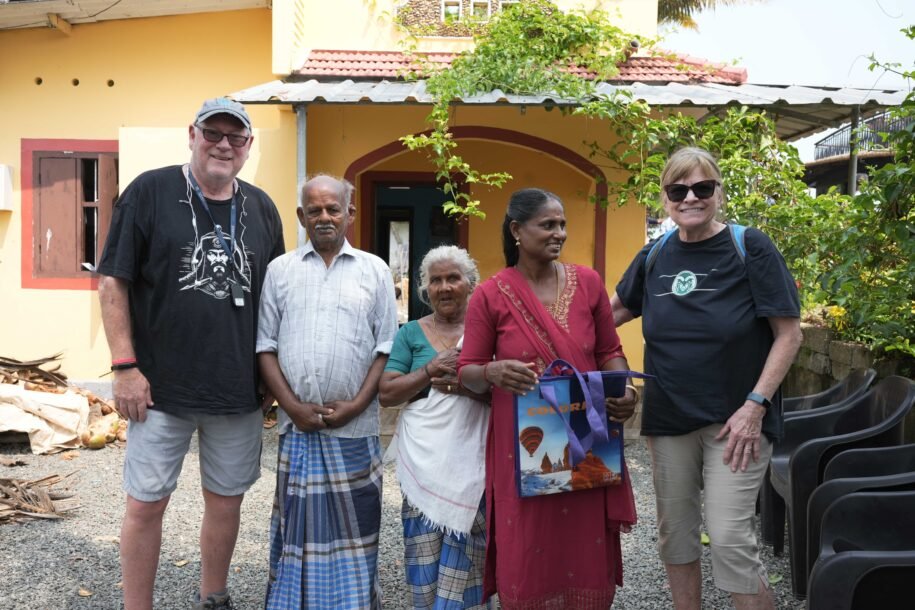
Visiting someone’s home carries weight. You’re entering private space. Seeing how people actually live. The line between cultural exchange and intrusion is thin.
Spice Routes has developed a village home visit program that tries to navigate this carefully. Not random houses. Not staged demonstrations. Actual families who’ve agreed to welcome guests, with systems in place to make it work for both sides.
The visits happen as part of larger backwater trips. Not standalone attractions but integrated cultural experiences.
How It Started
The program developed from relationships Spice Routes crew members already had in villages along their routes.
Some crew live in these villages. They know families. Trust exists. Conversations happened over time about whether home visits could work.
The families who agreed had specific motivations. Extra income helps. Interest in meeting people from other places. Pride in showing traditional Kerala home life.
The program formalized what had been happening informally. Structure got added. Guidelines developed. Compensation arranged.
Now certain families along specific routes host visitors occasionally. Not daily. When groups are interested and timing works.
What Homes Get Visited
The houses aren’t mansions or showpieces. They’re normal Kerala village homes.
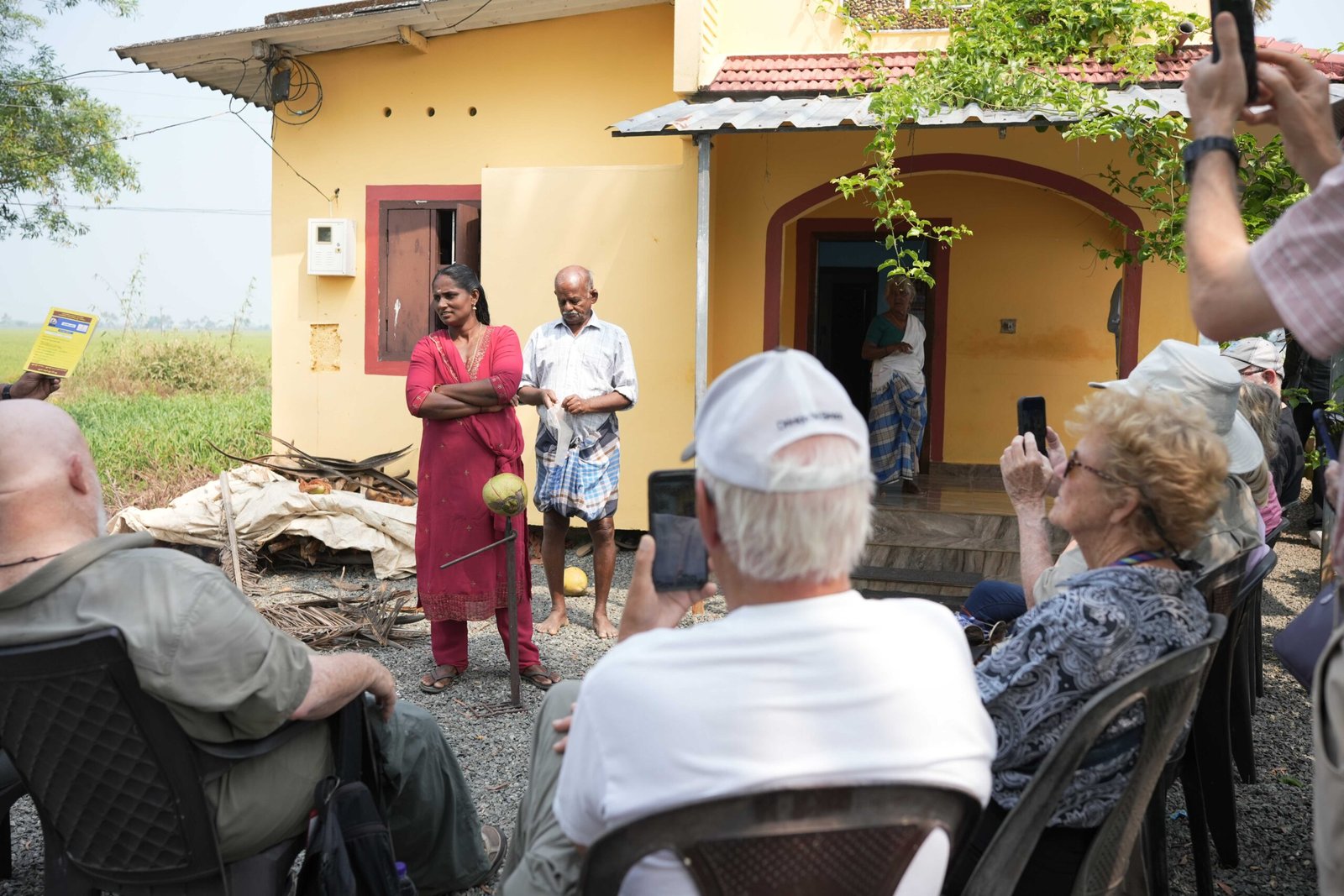
Traditional architecture where it still exists. Wooden construction, tiled roofs, open courtyards, verandas. The style that developed over centuries for Kerala’s climate and culture.
Some homes are older, passed through generations. Others are newer but follow traditional design.
Size varies. Two rooms. Four rooms. Depends on the family’s economic situation.
What they have in common is location near the backwaters and families willing to participate.
The Actual Experience
The visit lasts 30 to 60 minutes typically. Not long enough to be intrusive. Long enough to see and talk.
Guests arrive by small boat usually. The house sits near a canal. The crew coordinates timing with the family beforehand.
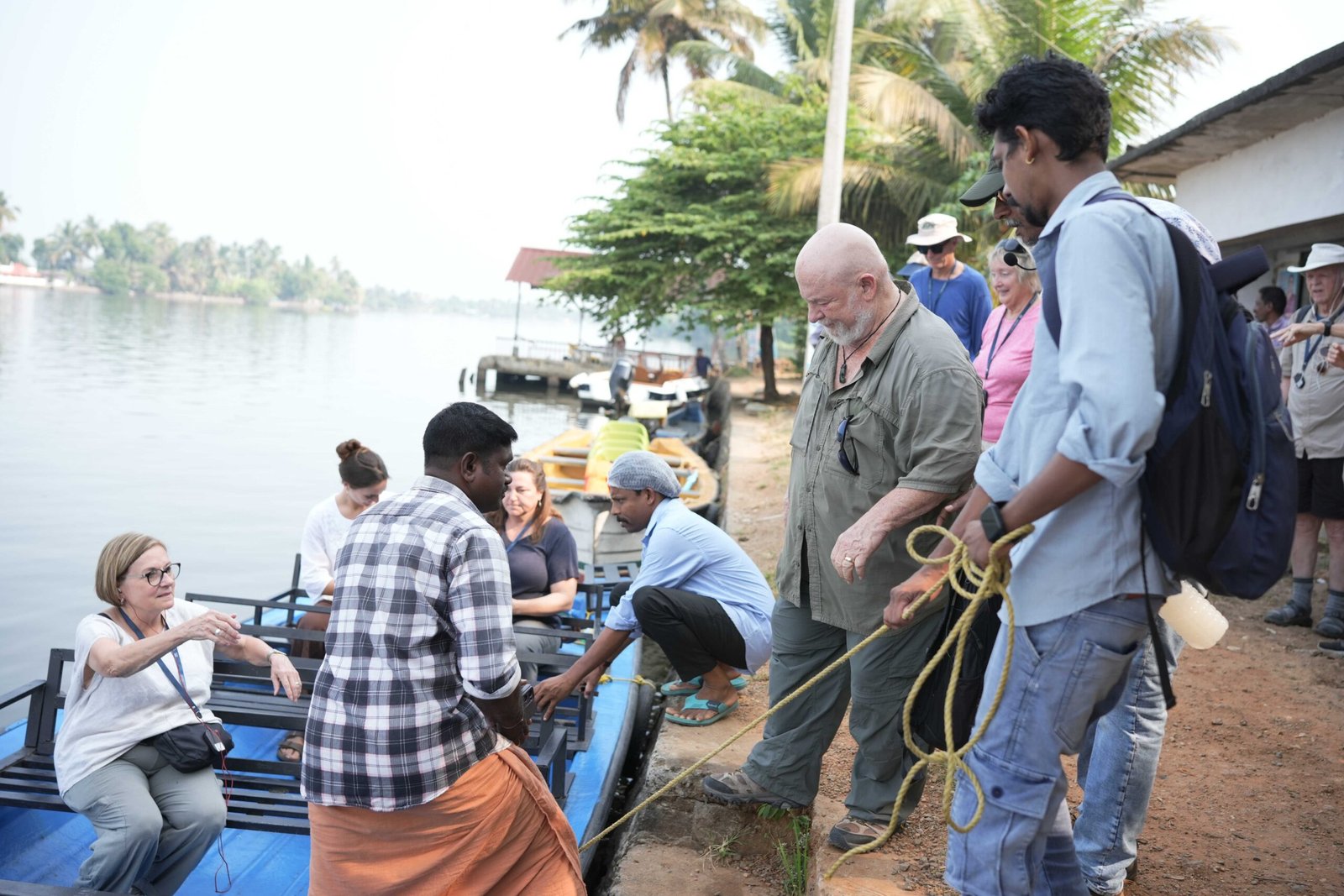
The family welcomes visitors. Shoes come off at the entrance, normal Kerala custom.
The host, often the grandmother or mother, shows guests around. Explains room functions. Points out features. Answers questions.
The guide translates. Most village women speak Malayalam, maybe some Tamil or Hindi. Rarely English. Translation makes conversation possible.
Tea or coffee gets served. Sometimes coconut water. Small snacks might appear. Kerala hospitality tradition.
Guests sit in the main room or on the veranda. Talk happens. About daily life. How the house functions. Family history. Whatever questions come up.
Children might be around. School-age kids curious about visitors. Younger ones shy or excited.
The visit feels more like meeting neighbors than touring an attraction. Informal. Conversational. Based on mutual curiosity.
What You See
Kerala homes have specific characteristics worth understanding.
The kitchen is often separate from main living areas. Wood or gas stoves. Clay pots alongside metal ones. Spices stored in containers. Everything accessible and used daily.
Sleeping areas are simple. Mats on the floor in some homes. Beds in others. Minimal furniture. Utilitarian approach.
Prayer spaces exist in most houses. Small shrines for Hindu families. Christian altars. Islamic prayer areas. Religion integrated into home design.
Storage is visible. Open shelves. Hooks on walls. Efficiency in small spaces. Nothing wasted.
Courtyards provide light and air in traditional designs. Rainwater collection happens here. Clothes dry here. Multiple functions.
The construction itself teaches you. How wood joints fit. How tiles interlock. How ventilation works without AC. Building methods refined over generations.
The Conversations
What people ask about:
How many people live here? Usually extended families. Multiple generations.
What do you do for work? Fishing, farming, coir making, shop keeping. The traditional backwater livelihoods.
How has life changed? Electricity, mobile phones, TV came gradually. Roads improved access. Tourism brought new work.
How do monsoons affect you? Water rises, sometimes enters houses. Adjustments to routines. Living with seasonal flooding.
What do you grow? Kitchen gardens produce vegetables. Coconuts from nearby palms. Maybe rice from family paddies.
Do children stay in villages? Often no. They study, move to cities for work. The pattern everywhere rural.
The hosts ask questions too. Where are you from? Why Kerala? What’s different in your country? Mutual curiosity makes it a conversation.
The Food Element
Some home visits include cooking demonstrations.
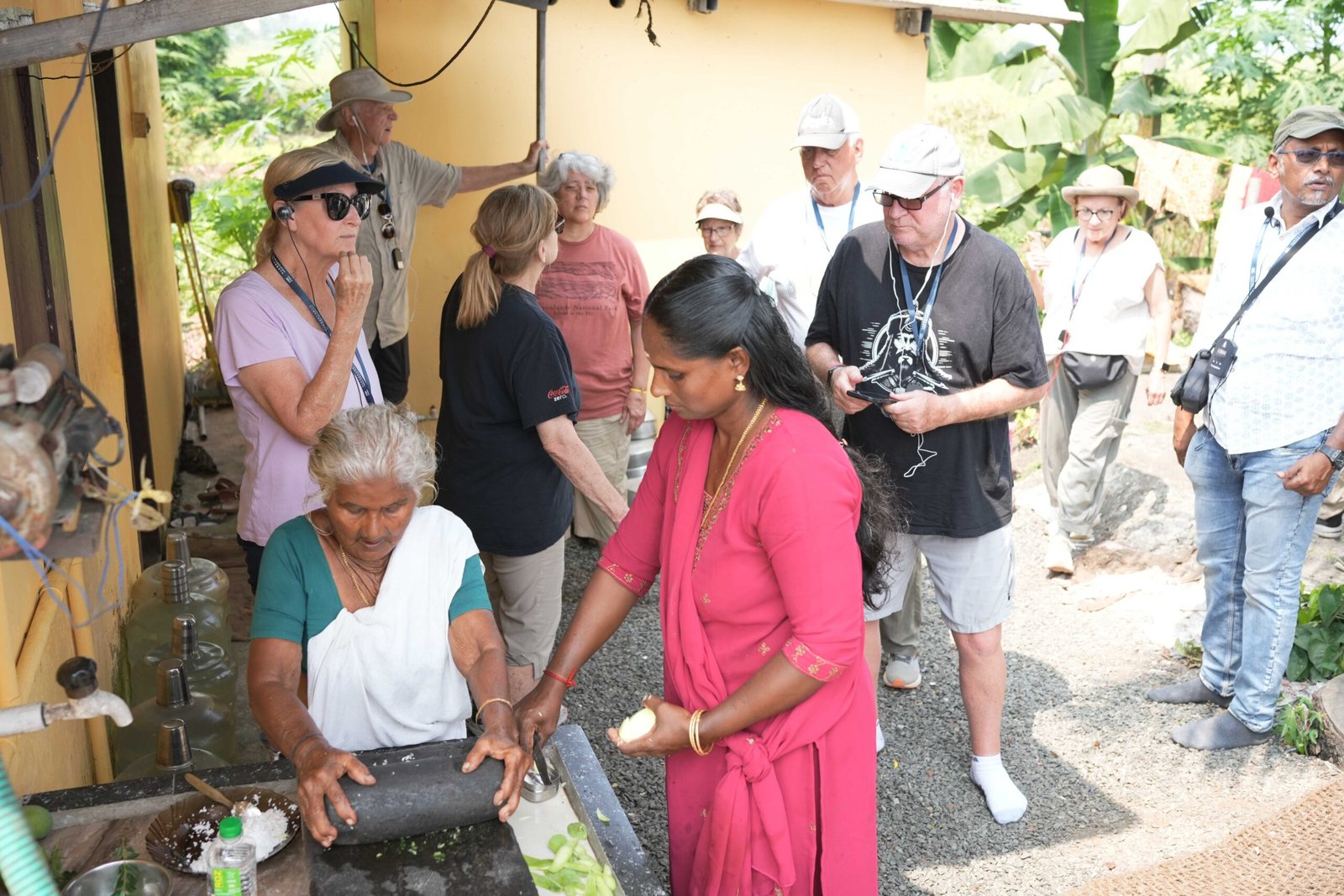
The host makes a dish. Appam perhaps. Or Puttu. Traditional Kerala breakfast foods.
She explains ingredients. Shows technique. Involves guests in some steps if they want.
The process reveals kitchen knowledge. How coconut gets grated. How rice flour is prepared. The implements used.
Tasting happens. The food cooked right there gets shared. Still warm, prepared with care.
This adds tangible element. Not just talking about Kerala cuisine but actually eating it made in a village kitchen.
What’s Different From Homestays
Homestays mean you sleep in someone’s house. Pay for room and board. Stay overnight or multiple days.
These visits are brief. Daytime only. No accommodation. Much shorter interaction.
The difference matters. Homestays can feel transactional. You’re a paying guest in their space. Longer duration changes dynamics.
Short visits keep things lighter. You’re a visitor, not a guest. Less imposition on the family. Less commitment from travelers.
Both models have place. This program chose shorter visits deliberately.
The Compensation Structure
Families get paid when they host visitors.
The amount is agreed beforehand between Spice Routes and the family. Not huge money but meaningful supplement to household income.
Payment doesn’t go through complex systems. Direct to the family. Simple transaction.
This economic element makes participation worthwhile for families. Their time has value. Welcoming strangers into your home deserves compensation.
Some argue payment corrupts authenticity. Makes it transactional rather than genuine hospitality.
The counter argument: families are doing work. Preparing their homes. Spending time. Managing the intrusion. Pay respects that.
Spice Routes chose to compensate. Seemed more honest than asking families to host out of pure goodwill repeatedly.
Privacy and Boundaries
Not everything gets shown. Bedrooms often stay private. Personal areas remain off limits.
Families control what guests see. The boundaries are theirs to set.
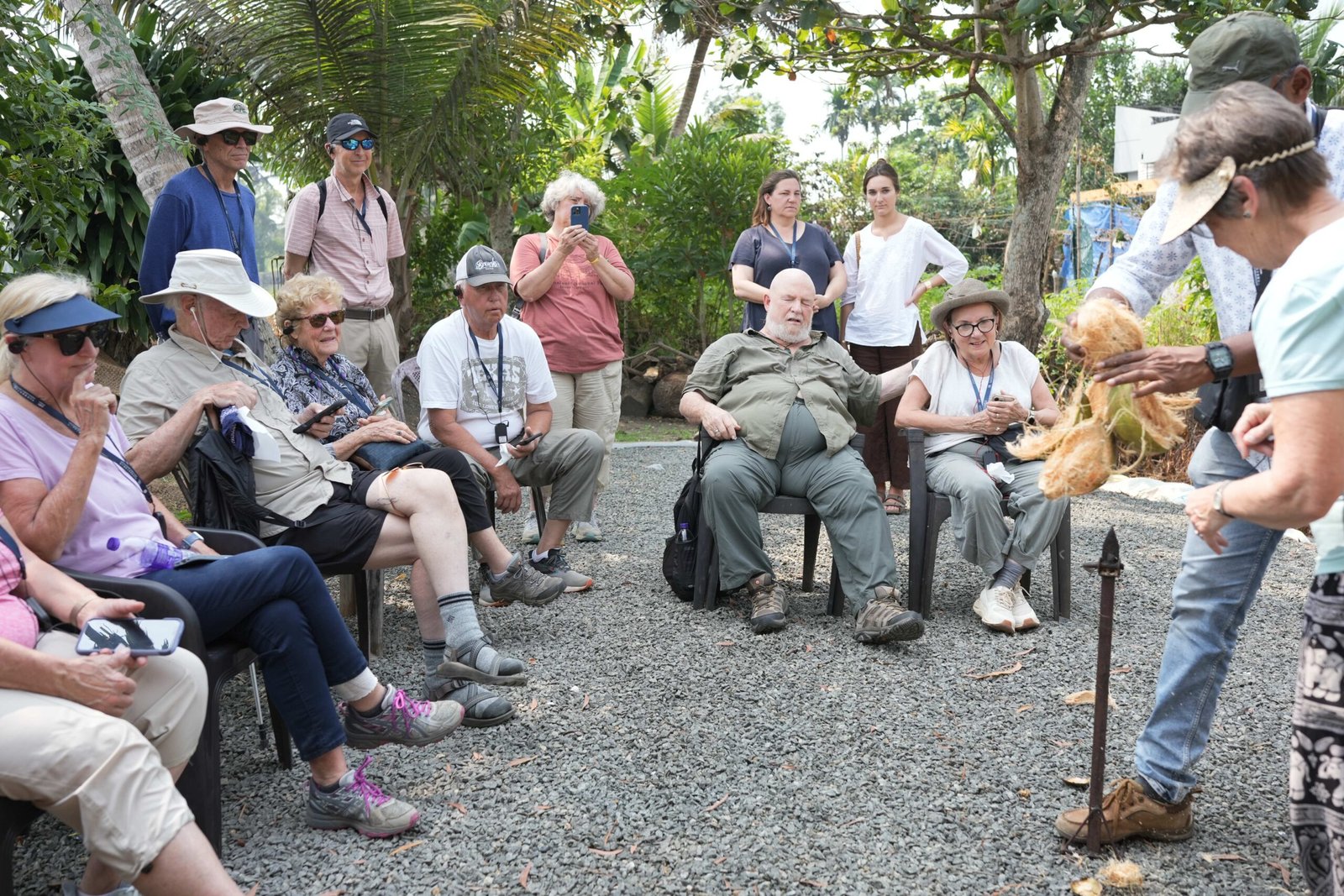
Photographs require permission. Always. Even in homes where visits are agreed, photography might not be.
Some families welcome it. Others don’t want their homes on tourists’ social media. Both positions get respected.
Children’s privacy matters especially. Parents decide whether kids can be photographed. No means no.
The host can end the visit anytime it becomes uncomfortable. Though this rarely happens because visits are planned and brief.
Training and Guidelines
Spice Routes trains guides on how to conduct these visits properly.
Explain customs to guests beforehand. Shoes off. Modest clothing. Respectful questions.
Facilitate rather than dominate. The guide translates but doesn’t control the conversation.
Watch for discomfort from either side. Adjust if tension appears.
Keep time limits. Don’t overstay.
Ensure compensation gets handled correctly.
The training matters. Badly managed home visits create problems. Well-managed ones work smoothly.
Guest Reactions
Most visitors appreciate the access. Seeing village life up close means more than viewing from boat decks.
Some feel awkward. Awareness of intrusion. Discomfort with the power imbalance of tourists visiting poor families’ homes.
That awkwardness might be appropriate. It shows awareness. Better than oblivious consumption of “authentic experience.”
Good visits acknowledge the complexity. Appreciate the access while recognizing it requires careful management.
What Families Gain Beyond Money
Income matters. But other benefits exist.
Connection to wider world. Meeting people from different countries. Hearing about other places.
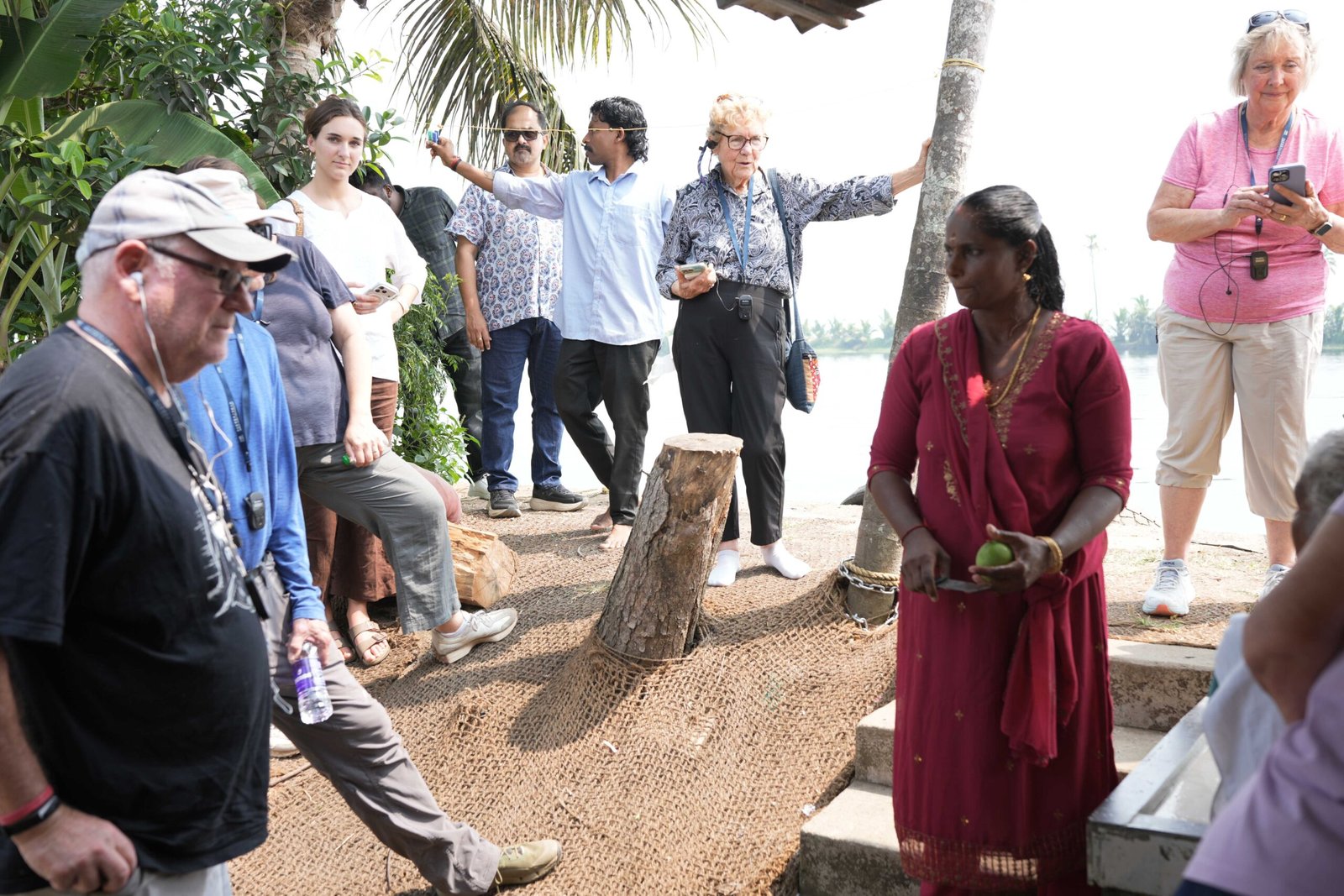
Pride in their homes and culture. Outsiders’ interest validates traditional lifestyles under pressure from modernization.
English practice for children. Interacting with foreign visitors helps kids use school English.
Broadened perspective. Understanding that their way of life interests others. That traditional methods have value.
Stories to tell. The family visited by people from Australia. The woman from Japan who tried making appam. These become household stories.
The Ethics Question
Is this exploitation? Using poor families’ homes for tourist entertainment?
Or is it cultural exchange? Mutual benefit? Respectful sharing?
The answer depends on execution.
Exploitation looks like: large groups overwhelming small houses. Photographers treating people like exhibits. No compensation. No consent. Disrupted routines. Privacy violated.
Respectful exchange looks like: small groups. Real conversations. Fair payment. Clear consent. Maintained boundaries. Genuine interest from both sides.
Spice Routes program aims for the second. Whether it succeeds completely is judgment each visitor makes.
The families have agency. They can stop participating. They control what’s shown. They’re not forced.
But economic need complicates true choice. When money is tight, saying no to income is hard.
This tension exists in most tourism. The program tries to navigate it consciously rather than ignore it.
Integration With Other Activities
Home visits don’t happen in isolation. They’re part of larger village engagement during backwater trips.
The same trip might include toddy shop stops, fishing demonstrations, small boat canal rides, temple visits.
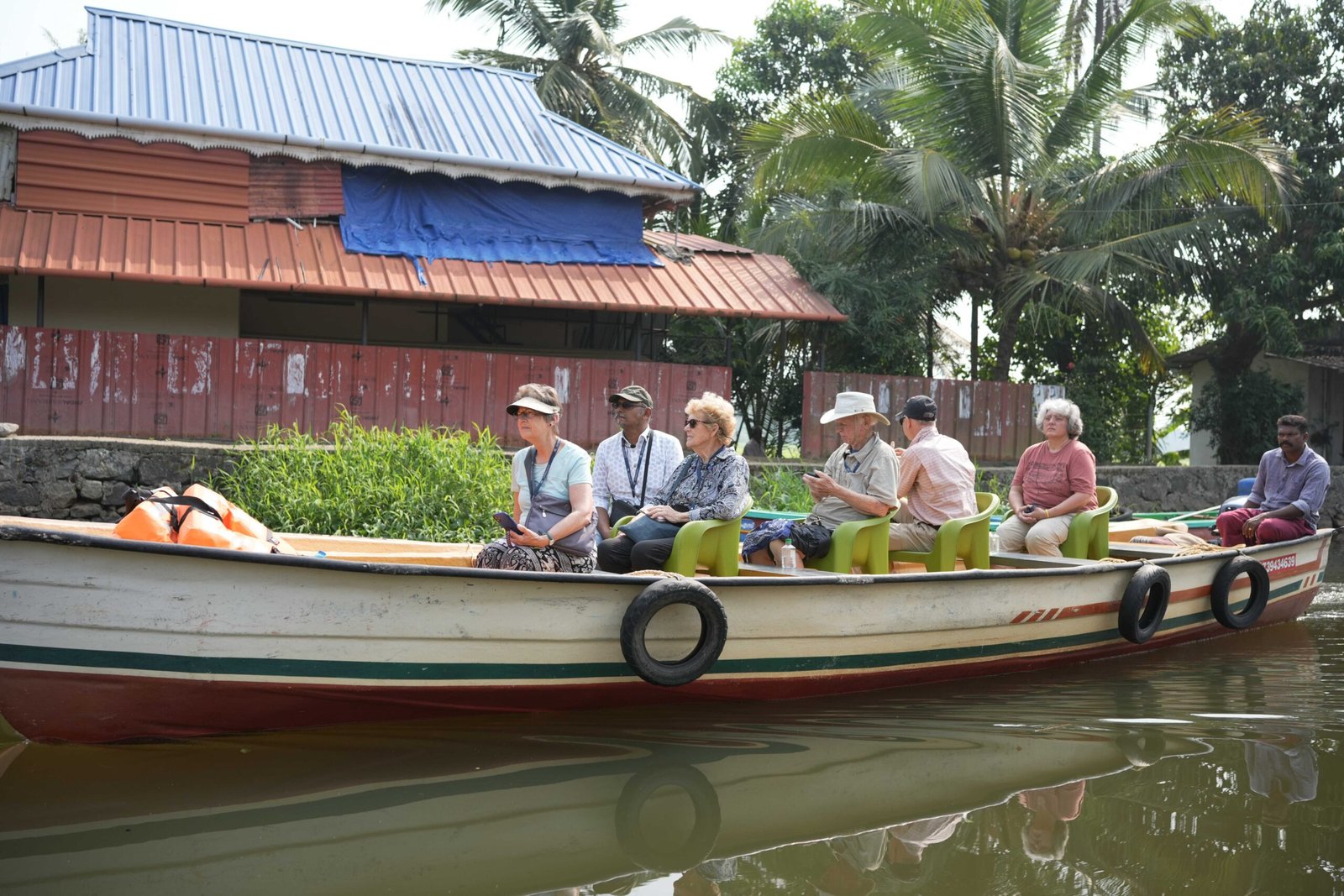
Together these create fuller picture of backwater life. Home visits add the domestic sphere. How people organize private space. Family dynamics. Daily household routines.
The combination works better than any single element alone.
Seasonal and Timing Factors
Not every trip includes home visits. Depends on several factors.
Is the group interested? Some guests prefer pure relaxation. Don’t want cultural activities.
Is timing right? The family might be busy. Harvest season. Festival preparation. Someone sick. Life happens.
Are the right families available along the planned route? Spice Routes uses multiple routes. Not all have participating families nearby.
The flexibility means visits happen when conditions are good. Not forced when they wouldn’t work.
Comparison to Staged Villages
Some Kerala tourism operations create “village experiences” in controlled settings.
Craft demonstrations performed for groups. Traditional costumes worn. Cultural shows. Essentially outdoor museums.
Those have value. Well-organized. Predictable. Professional.
But they’re different from visiting actual homes where people live.
Real homes show the mess alongside the beauty. Plastic buckets next to clay pots. Modern mixed with traditional. Life as it actually is.
Staged villages show idealized versions. Everything photogenic. Nothing uncomfortable.
Both have audiences. Spice Routes chose the messier, more authentic option.
What Guests Should Understand
These are real people’s homes. Not attractions designed for tourists.
The families are doing you a favor. Even though they’re compensated, allowing strangers into your private space is generous.
Curiosity should come with respect. Questions are fine. Judgment isn’t.
What seems poor or basic to visitors represents real lives. Comparison to your own living situation should stay internal.
Taking photos should never assume permission. Ask clearly. Accept no gracefully.
The guide’s role is facilitation. Don’t put them in awkward positions by asking inappropriate questions.
Time limits matter. When the visit winds down, leave. Don’t extend because you’re enjoying yourself.
The Long-Term Sustainability Question
Can this program continue indefinitely without degrading?
If too many operators copy it, villages get overwhelmed. Daily intrusions make home visits untenable.
If economic dependence develops, families might participate beyond comfort level. Money pressure overriding boundaries.
If younger generations reject it, the program lacks participating families. Kids who grew up with tourist visits might refuse to host.
Spice Routes addresses this by:
Limiting frequency. Same families don’t host weekly. Occasional visits only.
Working with multiple families. Rotating who gets visits. Spreading both income and burden.
Maintaining genuine relationships. Not just transactional bookings but ongoing connections with villages.
Paying attention to feedback. If families express discomfort, adjusting practices.
The goal is sustainability. Not extracting maximum value now but creating a model that works long-term.
Why Spice Routes Developed This
Luxury houseboat operators could stick to water-based experiences. Keep guests comfortable on boats. Avoid the complexity of village engagement.
Many do exactly that. It’s simpler. Less potential for problems.
Spice Routes chose differently because their vision of backwater tourism includes cultural depth.
The backwaters aren’t just scenery. They’re home to communities with rich culture worth understanding.
Responsible tourism means creating ways for visitors to engage that benefit both sides.
The home visit program represents one attempt at this. Not perfect. Constantly evolving. But genuine effort to do tourism differently.
The luxury houseboats provide comfort and scenic cruising. The village programs provide meaning and connection.
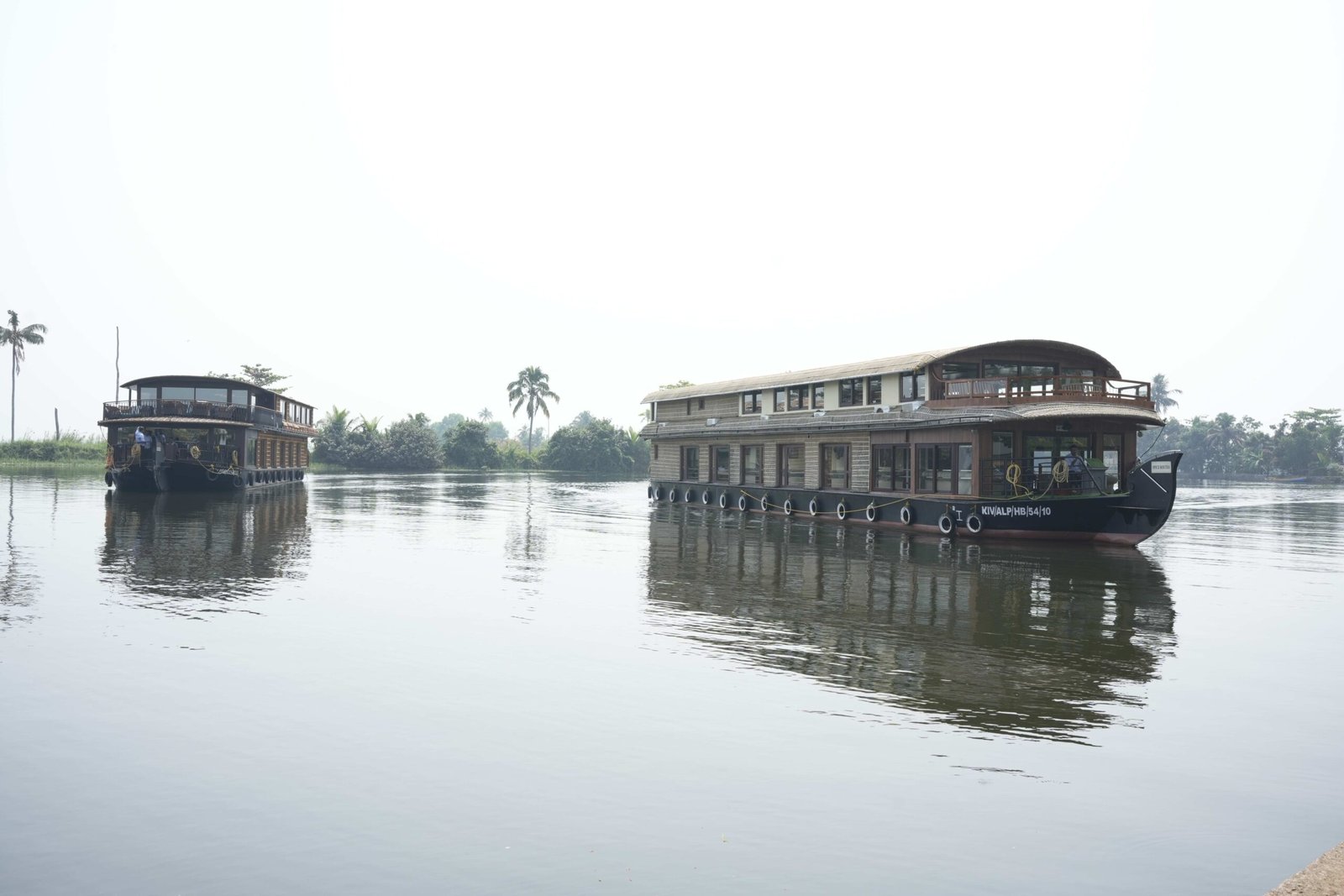
Together they create experiences that satisfy different traveler needs. Relaxation and learning. Beauty and understanding. Comfort and authenticity.
Guests who want just the boat can have that. Guests who want cultural engagement can have that too.
The infrastructure exists for both. The crew is trained. The relationships are built. The systems function.
This distinguishes Spice Routes from operators who offer luxury without depth or cultural tours without comfort.
The combination requires more work. Building village relationships takes years. Training crews takes effort. Managing complex programs creates challenges.
But the result is backwater tourism that goes beyond superficial. That creates actual exchange between visitors and communities. That tries to distribute benefits fairly.
The home visit program is one piece of this larger approach. Village walks, toddy shops, fishing demonstrations, small boat rides all contribute.
None of it would work without the foundation of well-operated houseboats providing quality accommodation and meals. Guests need to be comfortable to engage culturally.
Spice Routes built both elements. The luxury boat operation. The responsible village tourism. The combination sets them apart.
Responsible Village Home Visits
Cultural programs integrated with luxury houseboat trips: spiceroutes.in
Village partnerships, trained guides, fair compensation, respectful protocols.
Leave a Reply