

Plastic litters Kerala’s backwaters. Tourist boats create a lot of it. Water bottles, food packaging, disposable plates. Hundreds of boats operate daily. The waste adds up fast.
Some operators are changing this. Spice Routes runs their luxury houseboats differently. Less plastic. The shift shows in how meals arrive, what’s stocked on board, what waste leaves the boat.
The Plastic Problem
The backwaters aren’t untouched nature. They’re working waterways. People live here, fish, move cargo, run businesses. Tourists are just one more layer of activity.
Plastic builds up. Bottles drift in canals. Wrappers tangle in plants along the banks. Tourist boat waste ends up in the water. Villages contribute too, but tourism makes it worse.
Kerala traditionally used natural materials. Banana leaves held food. Clay pots stored water. Coconut shells worked as cups. Plastic arrived with modern convenience. Unlike those older materials, plastic stays.
Tourist boats create waste patterns you can predict. Water bottles. Snack wrappers. Disposable forks and spoons. Food packaging. Six people on a day cruise generate a surprising amount if nobody’s managing it.
What Less Plastic Looks Like
Cutting plastic means changing how boats operate.
Water comes in large containers, not individual bottles. Guests get reusable glasses or refillable bottles. One change, significant waste reduction.
Meals use real plates. Washed and reused. No plastic forks. No paper plates trying to pass as eco-friendly.
Food comes fresh instead of packaged. Markets sell vegetables without wrapping them in plastic. Fish comes straight from fishermen. Less packaging enters the boat to begin with.
Toiletries might come from bulk dispensers instead of small bottles. Depends on the operator.
Snacks skip plastic packaging when possible. Fresh fruit. Local items that don’t need wrappers.
The target isn’t zero plastic. That’s unrealistic. It’s cutting out pointless single-use plastic that just becomes trash.
What Guests Experience
Most guests don’t notice much difference.
Food still shows up on proper plates. Water is always available. Snacks still happen. The quality doesn’t suffer.
The difference is what you don’t see. Less packaging getting tossed. Fewer plastic items in the trash. Your trip generates less waste without you doing anything.
Some guests appreciate being told about reduced plastic use. Others don’t particularly care but benefit anyway because the boat’s practices affect the environment they’re floating through.
The backwaters look cleaner on routes where operators manage waste properly. Less visible plastic in the water and along banks. This directly improves what guests experience visually.
Why Operators Do This
Running plastic-reduced operations costs more and complicates logistics.
Bulk purchasing and proper storage systems require investment. Washing dishes takes time and water. Sourcing fresh local ingredients involves more coordination than buying packaged goods.
Operators like Spice Routes accept these costs because:
The backwaters are their business location. Degraded water quality and polluted canals hurt tourism long-term. Protecting the environment protects the business.
Guest preferences are shifting. More travelers ask about environmental practices before booking. Having answers to these questions affects bookings.
Regulatory pressure is increasing. Kerala government has been implementing plastic bans and waste management rules. Getting ahead of regulations makes sense.
Local communities notice. Operators who respect the water and villages gain better relationships with people who live along the banks.
It aligns with the actual Kerala experience being sold. Tourists come for natural beauty and traditional culture. Plastic pollution contradicts both.
The Broader System
Individual boat practices matter, but the backwater plastic problem needs broader solutions.
Village waste management along the canals needs improvement. Many communities lack adequate disposal systems. Tourist boat waste is one part, but residential waste is significant.
Enforcement of existing plastic regulations varies. Kerala has banned certain single-use plastics. Implementation is inconsistent.
Tourist education matters. Guests who understand why plastic reduction matters are more likely to cooperate with boat practices and less likely to bring their own plastic that creates waste.
Infrastructure for waste collection from boats exists but could improve. Some operators manage their waste well. Others don’t. Better systems would help.
What Guests Can Do
Beyond what the boat provides, guests can reduce plastic impact.
Bring reusable water bottles. Most boats will refill them. Eliminates need for any plastic water bottles.
Avoid bringing packaged snacks. The boat provides food. Extra packaged items just create waste.
Use provided toiletries if the boat has bulk options. Don’t bring multiple small plastic bottles of shampoo and soap.
Take any unavoidable plastic waste back with you. Don’t leave it on the boat or throw it in the water. Pack it out.
Choose operators who communicate about environmental practices. This encourages more operators to adopt similar approaches.
The Luxury Connection
“Luxury” and “eco-friendly” aren’t opposites, though they sometimes get positioned that way.
Luxury houseboats can run cleaner operations more easily than budget boats. Higher rates provide budget for better systems. Investment in proper equipment becomes possible.
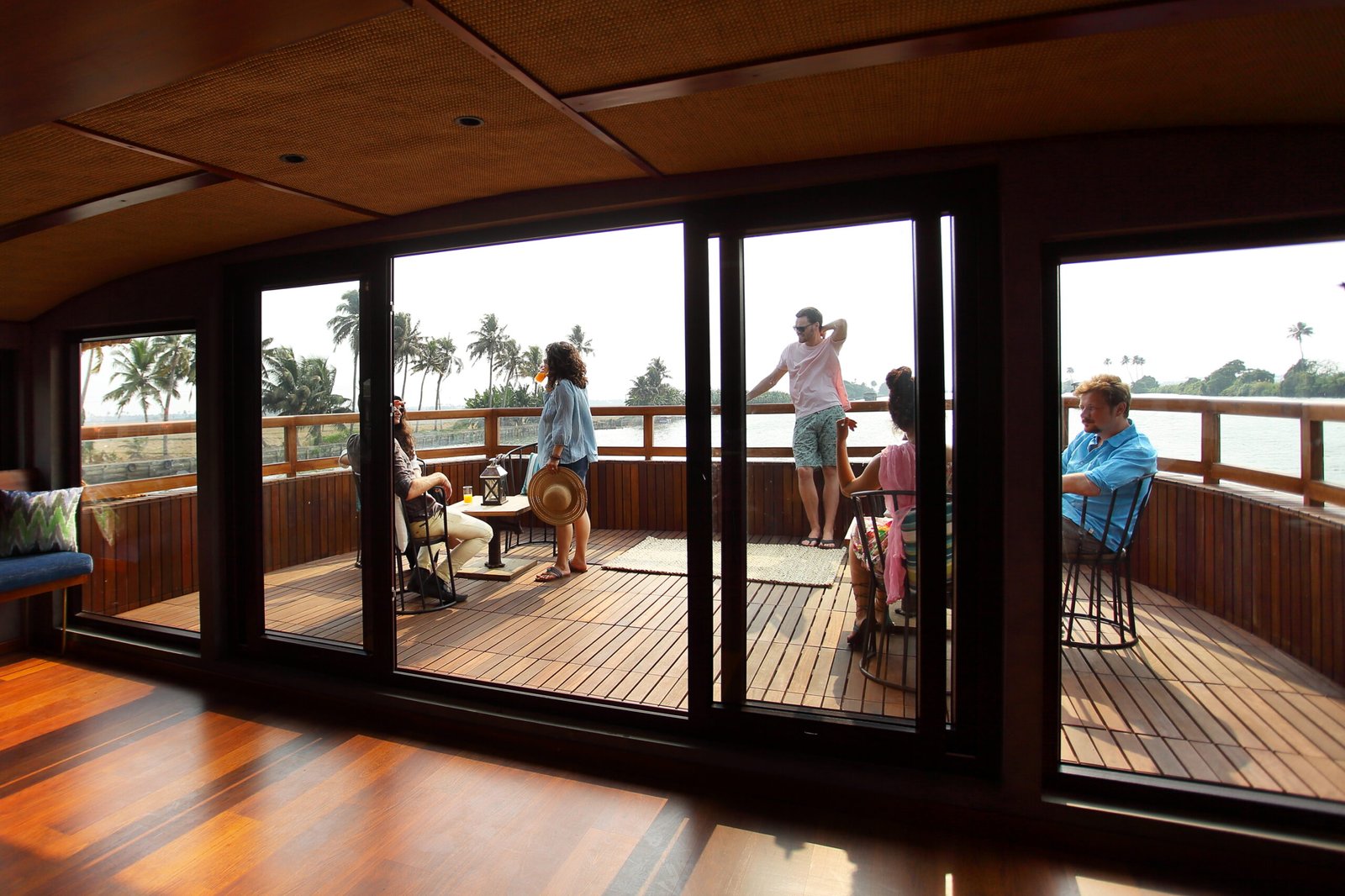
Luxury travelers often care about environmental impact and have money to pay operators who address it. The market supports these practices.
Real luxury means not trashing the place you’re enjoying. Floating through water full of plastic bottles doesn’t feel luxurious no matter how nice the boat is.
The backwater experience depends on natural beauty. Protecting it is smart business, not charity.
Being Realistic
No boat is completely plastic-free. Some things still need plastic. Medical supplies, certain storage, emergency gear.
“Plastic-free” is loose language. Most operators mean “less plastic” or “minimal single-use plastic.” Complete elimination doesn’t work yet.
Individual boats can’t fix the entire pollution problem. Even if every tourist boat managed waste perfectly, village waste and agricultural runoff would still exist.
Environmental claims sometimes are just marketing. What matters is actual practice. Water either looks clean or it doesn’t.
Questions to Ask
Before booking, ask specifics:
How do you provide drinking water? Big containers or individual bottles?
What do meals come on? Real dishes or disposables?
Where does food come from? Local fresh sources or packaged supplies?
What happens to waste generated during the trip? Is it managed or dumped?
How long has the operator been working on plastic reduction? Recent or established practice?
Good operators answer these questions clearly. Vague responses suggest practices might not match claims.
The Bigger Picture
The backwaters face multiple environmental pressures. Plastic is one. Water quality from agricultural runoff, invasive species, over-tourism, climate change effects all matter too.
Addressing plastic doesn’t solve everything, but it’s visible and manageable. Operators can control what happens on their boats even if they can’t control larger systemic issues.
Guests see plastic pollution directly. It affects their experience immediately. Cleaner water and banks improve the trip they’re taking.
Long-term, tourism depends on the backwaters staying attractive. Environmental degradation kills the industry. This creates alignment between business interests and conservation.
Operators who recognize this and act on it position themselves better for the future. Those who don’t will face increasing pressure from regulations, guest preferences, and the environment itself.
What Spice Routes Does
Spice Routes has implemented reduced plastic practices across their houseboat operations. The specifics of exactly what systems they use are best confirmed directly with them, as practices evolve.
What’s clear from their operations:
- They prioritize local fresh food sourcing
- They avoid single-use plastic where alternatives exist
- They’ve invested in systems that reduce waste
- They communicate about environmental practices
- They position themselves as operators who care about backwater health
The effectiveness shows in guest reviews mentioning cleaner routes and environmental consciousness. The commitment appears genuine rather than just marketing.
The Choice
When booking backwater trips, environmental practices can be a decision factor.
Some people prioritize this heavily and will pay more or travel further to book operators with strong practices.
Others consider it among multiple factors like price, boat quality, food, and service.
Some don’t think about it until they see plastic pollution during their trip and wish they’d chosen differently.
The option exists to book operators who minimize plastic and protect the backwaters. Spice Routes is one. Others exist too. The market is growing as more operators recognize the value.
The backwaters are worth protecting. They’re unique landscape and culture. Tourism should enhance them, not degrade them. Operators who get this right deserve the business.
Environmentally Conscious Houseboat Travel
Reduced plastic operations on luxury houseboats: spiceroutes.in
Contact to ask specific questions about environmental practices.
Leave a Reply