
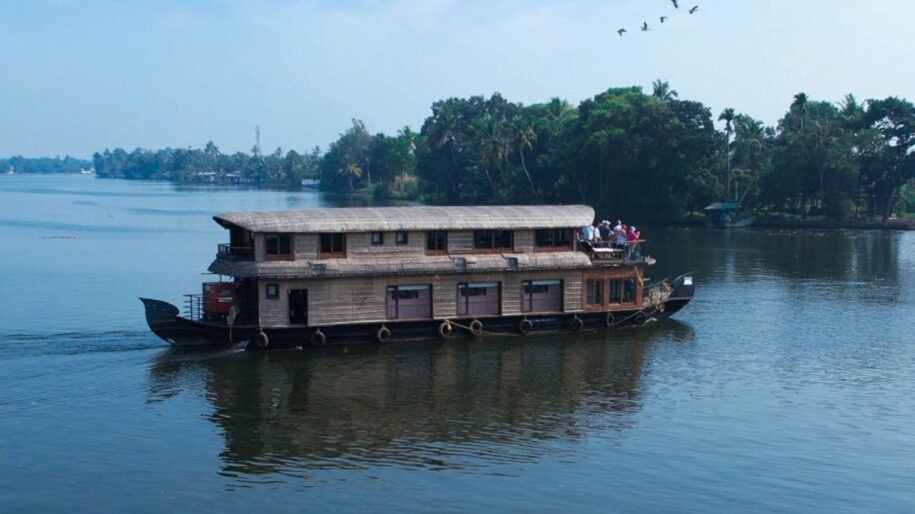
Kerala’s houseboats have achieved iconic status that normally belongs to places like the Taj Mahal, which is a bit odd when you really consider it. The Taj took decades to build and represents extraordinary architectural achievement. Houseboats are floating rooms with beds in them.
So what’s driving this? Why did houseboats in Kerala specifically become a global phenomenon when boat-based tourism exists all over the world?
Saying “they’re unique and beautiful” doesn’t really explain it. Lots of unique, beautiful experiences never generate this kind of sustained international interest. There’s something more going on.
How Looks Matter
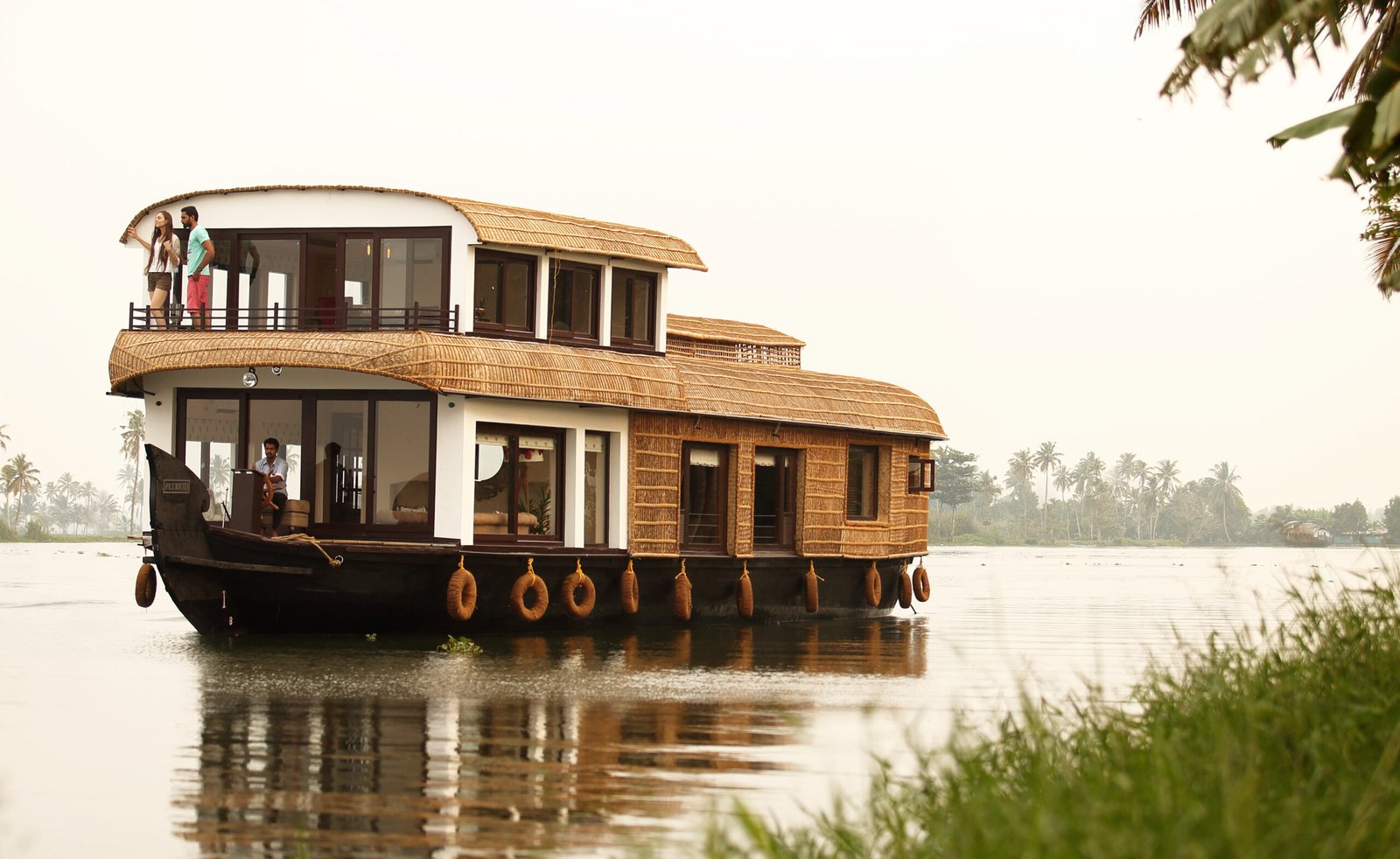
The boats photograph remarkably well, there’s no denying that. The design—that curved thatched roof, dark wood, the way they sit close to the water—manages to look both exotic and accessible. Foreign enough to feel special, familiar enough not to seem uncomfortable or risky.
Kerala’s backwaters do heavy lifting here too. These waterways are absurdly photogenic. Coconut palms leaning over glass-smooth water, greenery in every possible shade, villages tucked along the banks, and this specific quality of light during mornings and evenings that makes even phone cameras produce decent images.
Visual appeal matters more today than it would have twenty years ago. We’re in a period where how a place looks on social media genuinely influences travel choices. Houseboats produce images that work exceptionally well on screens—they suggest luxury, nature, peace, cultural depth, all simultaneously. That’s efficient for getting attention without spending much on traditional advertising.
But looking good only gets you so far. Plenty of photogenic destinations burn out fast. There’s more keeping this popular.
Forced Slowness as Relief
Most modern travel involves constant rushing. Moving between sites quickly, cramming in maximum attractions per day, optimizing every hour. Houseboats reject this completely. You drift slowly. Scenery changes gradually. There’s nowhere to rush toward because being on the boat is the entire point.
This forced deceleration creates something that’s becoming genuinely rare: mandatory downtime that doesn’t feel like you’re wasting your trip. You can’t pack every moment with activity because the only activity is watching, talking, reading, eating, being there. For people living in constantly busy environments—which increasingly describes most places—this represents relief they often didn’t know they needed.
Being cut off from everything adds another layer. Once you’re on the water, cell signals get weak or disappear. Internet becomes unreliable or vanishes. You’re physically separated from whatever else is on your travel schedule. Some people hate this. Many find it surprisingly freeing.
The small scale matters too. Unlike cruise ships carrying thousands, houseboats typically hold small groups—often just whoever booked it. You’re not navigating through stranger crowds or dealing with forced conversation at communal meals. This creates intimacy that feels personal even though it’s commercial tourism.
Different People Want Different Things
Here’s what’s genuinely unusual: houseboats somehow appeal to travelers who normally want completely opposite experiences.
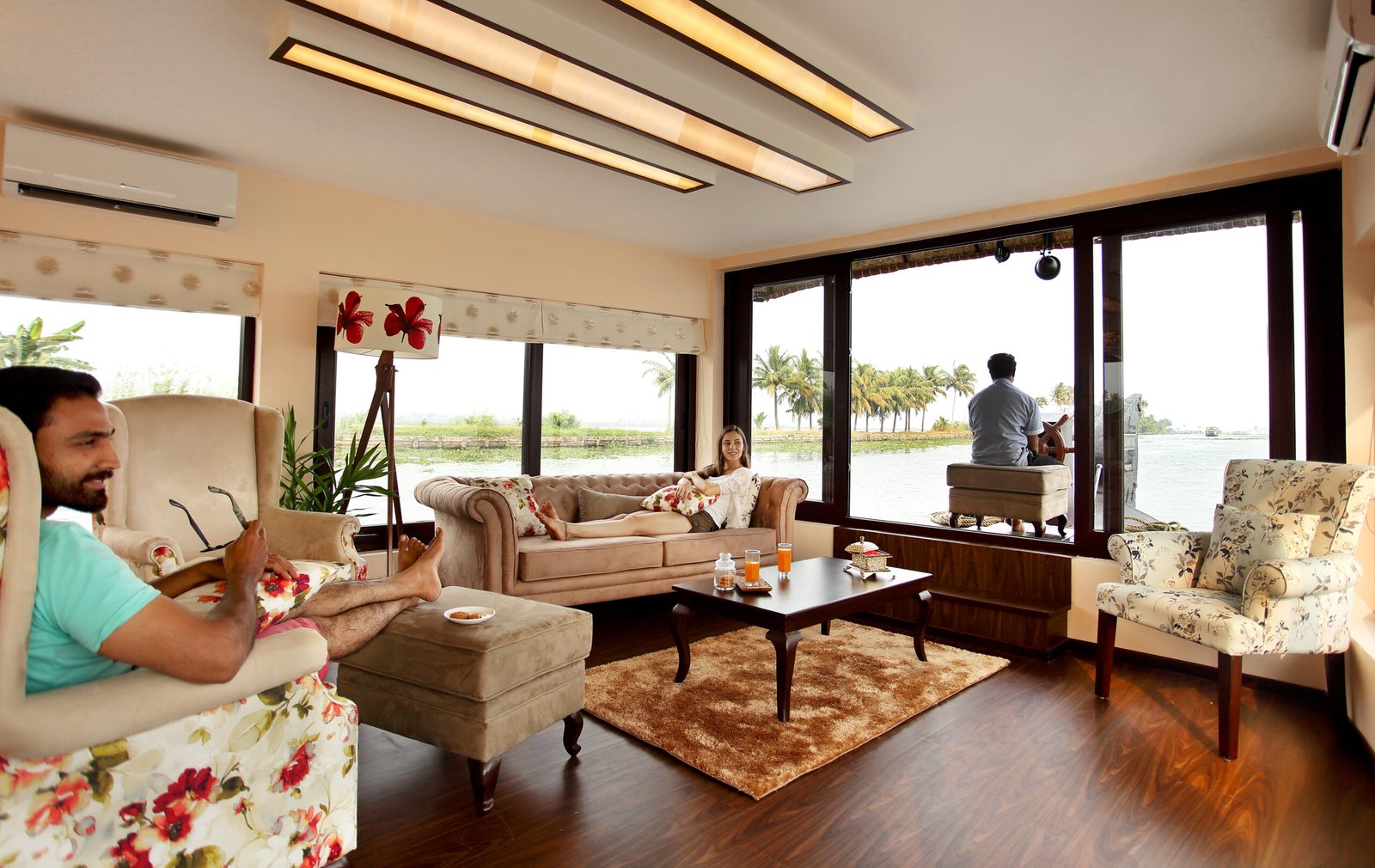
Luxury-focused visitors discover that premium houseboats actually deliver comfort—functioning air conditioning, genuinely good food, attentive service, total privacy. It feels indulgent without seeming excessive.
Culturally-motivated travelers get real access to rural Kerala. Villages pass close enough to observe daily life. Regional food shows up at meals. Local crew members provide interaction and context that hotels rarely offer.
People seeking relaxation find inherent calm in drifting on water. Even basic houseboats provide a level of peace that’s hard to locate in cities or typical tourist areas.
Nature-oriented visitors engage with ecosystems—birds, plants, landscapes—markedly different from what most international travelers know. It’s not untouched wilderness, but it’s unmistakably alive and green in ways cities can’t match.
This range means houseboats don’t depend on one narrow type of traveler. Honeymooners and older couples, solo travelers and families, backpackers and luxury seekers—all locate something worthwhile here. That breadth creates stability.
Practical Elements Work
Many tourism ideas sound good but fail in execution. Kerala’s houseboat sector has largely avoided this through gradual improvement over time.
Basic systems function. Boats are maintained and operate safely. Crews understand their jobs. Food ranges from acceptable to outstanding depending on what you pay. Routes follow established patterns. Booking works without major drama. Fundamental operations don’t regularly fail.
This reliability carries real weight. People can book with reasonable confidence about getting roughly what was described. Reviews trend positive because reality generally matches expectations. That cycle keeps popularity going.
Timing helps considerably. Kerala’s best months—October through March—line up perfectly with when people from cold places want warmth. While Europe and North America deal with winter, Kerala offers pleasant temperatures. This expands the potential market substantially.
Getting there has become much easier. Cochin International Airport connects to major cities globally. Ground travel from airport to backwater areas takes only 1-2 hours. Once you arrive, everything needed exists in a compact area. It’s not remote or complicated, which reduces planning hassle.
Pricing Works for Different Budgets
Kerala houseboats range enormously in price—from budget options around ₹8,000-10,000 to luxury boats over ₹80,000-90,000 per day. This range is crucial.
Budget travelers can access the experience without financial strain. Mid-range travelers can upgrade without excessive cost. High-end travelers can properly indulge—premium boats actually deliver better experiences rather than just charging more for minimal improvements.
This structure prevents houseboats from becoming exclusively luxury (limiting market size) or exclusively budget (degrading quality). The range lets it work across different financial situations while maintaining reasonable standards at each level.
Compared to similar experiences elsewhere—Nile cruises, Southeast Asian floating villages, boat tourism in Thailand—Kerala often offers better value. You get private space, multiple meals, navigation, and access to distinctive landscapes at pricing that’s competitive or better than alternatives.
Marketing Happened Naturally
Kerala Tourism did something smart: they mostly let the product market itself while providing basic organization.
The “God’s Own Country” branding frames Kerala as naturally beautiful without overpromising. Houseboats fit naturally as a way to experience that beauty. Marketing shows actual experiences rather than inflating them, so people don’t arrive expecting something impossible.
Travel media amplified this without much official effort. Houseboats photograph well, so they appear constantly in travel content. Writers and influencers visit, cover them positively, reaching new audiences. This creates visibility without requiring heavy advertising spending.
Word-of-mouth carries significant weight. People who visit generally have good experiences and tell others. The experience is memorable enough to make decent conversation—”we stayed on houseboats floating through Kerala’s backwaters” sounds more interesting than “we stayed at a hotel.”
The concept communicates simply. “Houseboat cruise through Kerala’s backwaters” immediately conveys what’s happening in terms that sound both appealing and clear. Compare this to more abstract travel experiences requiring lengthy explanation. That simplicity helps it spread.
It Occupies Its Own Space
Consider water-based tourism across Asia. Thailand emphasizes beach islands and diving. Maldives sells overwater luxury resorts. Cambodia showcases floating villages. Vietnam promotes Halong Bay cruises.
Kerala houseboats sit in different territory. Not beach tourism—these are inland waterways, not ocean. Not adventure tourism—it’s peaceful and contemplative. Not stationary luxury—you’re continuously moving. Not large-scale cruising—groups stay small.
This distinctiveness prevents direct competition. There’s no “cheaper Kerala alternative in Thailand” because the experience connects specifically to Kerala’s geography and culture. The backwater ecosystem, traditional boat design, village life along these waterways—these combine in ways that exist only here.
This geographic and cultural specificity creates protection. Other destinations can’t easily copy what Kerala offers because they lack equivalent systems or the context that shaped how houseboats developed.
Core Experience Hasn’t Degraded
Tourism trends shift rapidly, but Kerala houseboats have stayed popular for decades. Part of this comes from the core experience being relatively timeless.
Essential elements—slow movement, natural beauty, cultural observation, good meals, peaceful atmosphere—appeal across generations. What worked for travelers in the 1990s still works now. It hasn’t become dated.
The industry adapted intelligently. Luxury options improved substantially, adding modern comforts without losing traditional character. Service improved. Food quality rose. These upgrades keep it feeling current rather than stuck in the past.
Budget options exist simultaneously for travelers wanting basic access without luxury pricing. This prevents it from becoming exclusively high-end and financially out of reach, which would narrow appeal.
The backwaters themselves remain substantially intact. Environmental problems exist and need addressing, but the fundamental landscape making houseboats appealing hasn’t been destroyed. People aren’t visiting a degraded version—they’re experiencing something that still largely works.
What Better Operators Understand
Spice Routes has operated since 2008, watching houseboat tourism evolve across nearly two decades. Their approach shows understanding of what actually sustains popularity.
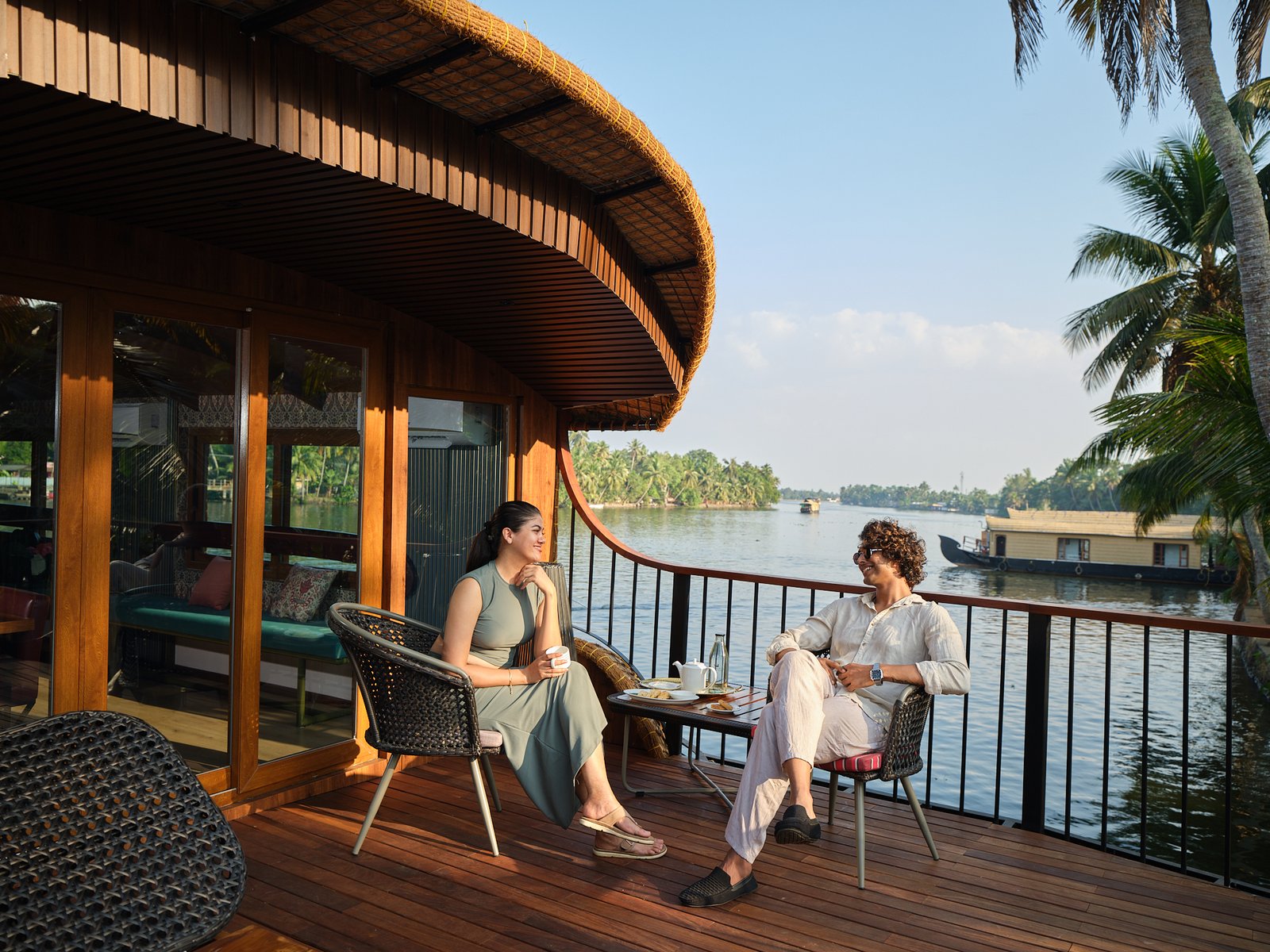
They maintain consistent quality rather than cutting corners when demand is high. Their six boats—one to five bedrooms, all exclusive—deliver what’s advertised without the kind of misleading tactics that gradually damage industry reputation.
Location strategy is thoughtful. Operating away from congested areas near Alappuzha town, they access quieter sections. This addresses a major criticism—overcrowding on popular routes—while still providing the essential experience.
Food approach recognizes dining as central to the overall experience. Sourcing locally, preparing dishes properly, handling dietary needs—these details affect satisfaction and generate the positive reviews that keep popularity going.
The heritage home check-in provides meaningful context. Rather than just putting people on boats, they offer cultural and historical framing through the 200-year-old property and farmland. This roots the experience in place and history rather than treating it as purely transactional.
Pricing reflects actual value rather than exploiting demand with inflated rates. This keeps them accessible to mid-to-upper market travelers—people with money for quality but who research carefully before booking.
Environmental Problems Need Addressing
Houseboat popularity has created genuine environmental issues that can’t be dismissed. Hundreds of boats in confined waterways produce pollution, disturb ecosystems, and strain infrastructure in ways that weren’t problems when the industry was smaller.
Long-term popularity depends partly on fixing these challenges. Some operators have moved toward better practices—improved waste management, cleaner engines, more responsible routing. Regulations have tightened, though enforcement varies widely.
Travelers increasingly consider environmental impact. Houseboats showing genuine sustainability efforts—not just marketing claims—will likely maintain stronger appeal as environmental awareness grows.
The ecosystem itself needs protection. If water quality drops significantly, wildlife disappears, or villages lose authentic character by becoming tourism-dependent, then what makes houseboats appealing starts eroding. Keeping this special requires balancing tourism benefits against environmental and cultural preservation.
What This Shows
Understanding Kerala houseboat popularity reveals what actually works in tourism—how relatively simple experiences can capture lasting global interest through multiple factors rather than one big advantage.
Visual appeal gets initial attention. The experience delivers emotional satisfaction—relaxation, cultural connection, escape from normal pace. Operations work reliably. Pricing makes sense across budgets. Marketing happens organically through satisfied visitors. Positioning is unique enough to prevent direct competition.
None of these alone would be enough. Together they’ve created something that has stayed popular for decades, which is increasingly rare when trends shift so quickly.
Kerala houseboats work because they deliver what they promise—beauty, peace, cultural insight, good food, rest—in ways that appeal broadly while staying distinctive and connected to this specific place and culture.
Experience Kerala houseboats at spiceroutes.in/kerela-houseboats